The Shortest Man in the Room
In 1916, a 5'3" engineer with wire-rimmed glasses and an outsized ego walked into a San Francisco city planning meeting with blueprints nobody wanted to see. Joseph Strauss had been pitching the same crazy idea for years: a bridge spanning the Golden Gate strait, connecting San Francisco to Marin County across one of the most treacherous stretches of water on the West Coast.
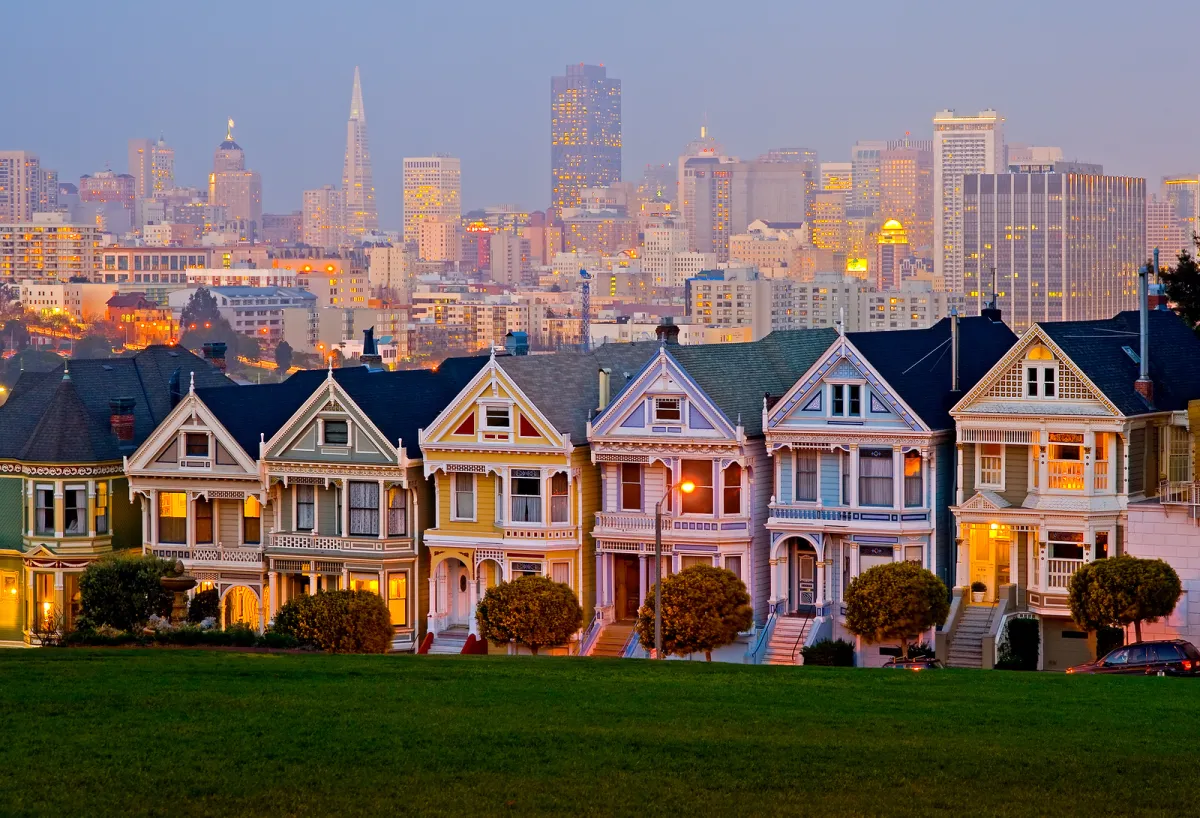 Photo: San Francisco, via experism.com
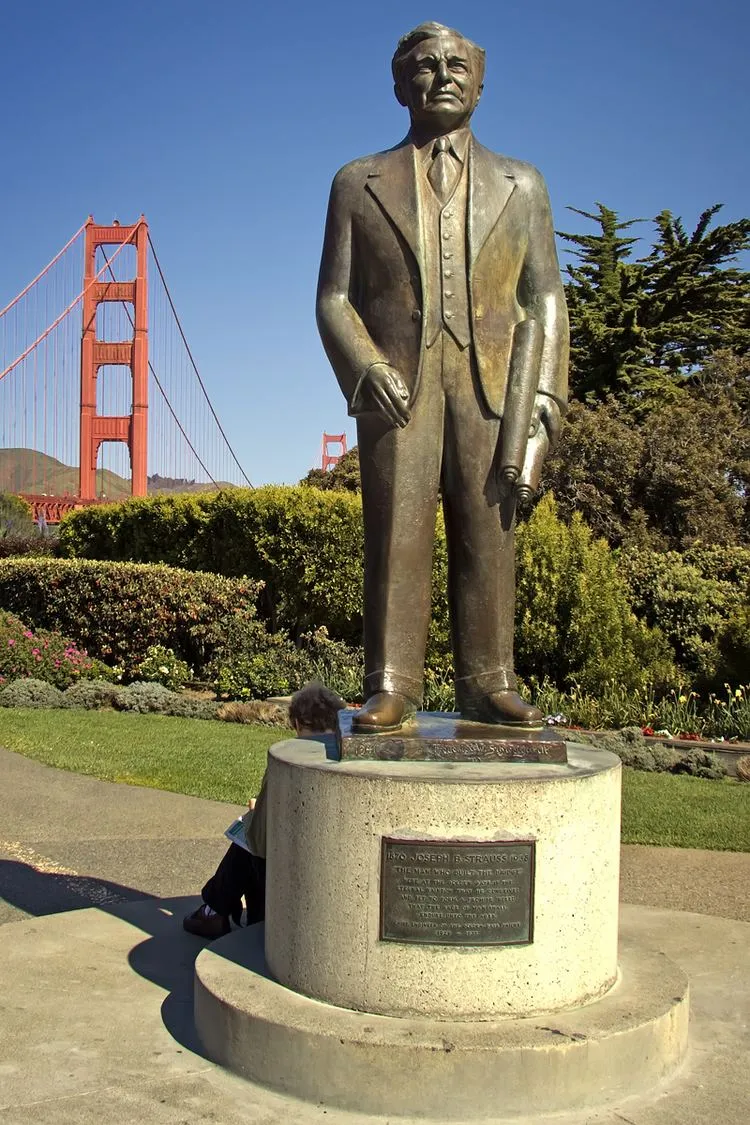 Photo: Joseph Strauss, via alchetron.com
The room full of seasoned professionals barely looked up from their coffee. They'd heard this song before.
Strauss had built drawbridges in small Midwestern towns—hardly the résumé you'd expect from someone proposing what would become one of the world's most ambitious engineering projects. But that's exactly what made him dangerous. He didn't know enough to understand why his dream was impossible.
When Mockery Becomes Fuel
For nearly two decades, Strauss collected rejection letters like baseball cards. City engineers called his plans "fantastical." Naval experts insisted the strait was too deep, too windy, too unpredictable. The ferry companies, making good money shuttling people across the bay, weren't exactly rooting for competition.
But Strauss had something his critics didn't: a complete inability to hear the word "no."
He refined his designs obsessively, studying every bridge failure in recorded history. He calculated wind loads and seismic stresses while other engineers were content with projects they knew they could complete. His colleagues thought he was wasting his career chasing windmills. Strauss thought they were thinking too small.
The breakthrough came not from engineering prowess, but from pure stubborn persistence. By the 1920s, San Francisco's population was booming, and the ferry system was choking on its own success. Suddenly, Strauss's impossible bridge didn't sound quite so impossible.
Building the Unbuildable
When construction finally began in 1933, Strauss faced every nightmare scenario his critics had predicted. Workers battled 60-mph winds while suspended hundreds of feet above churning water. Fog rolled in without warning, turning the construction site into a blindfolded high-wire act.
Eleven men died during construction—a tragedy that haunted Strauss for the rest of his life. But he'd also pioneered safety innovations that saved countless others, including the first safety nets used on a major bridge project.
The engineering challenges were staggering. The bridge's towers had to be anchored in bedrock 100 feet below the water's surface. The main cables contained 80,000 miles of wire—enough to circle the earth three times. Every piece had to be precisely calculated to withstand earthquakes, gale-force winds, and the daily thermal expansion and contraction that comes with spanning nearly two miles of California coastline.
The Last Laugh
When the Golden Gate Bridge opened on May 27, 1937, 200,000 people walked across it on the first day. The same newspapers that had mocked Strauss's "pipe dream" were suddenly calling it the "engineering marvel of the modern age."
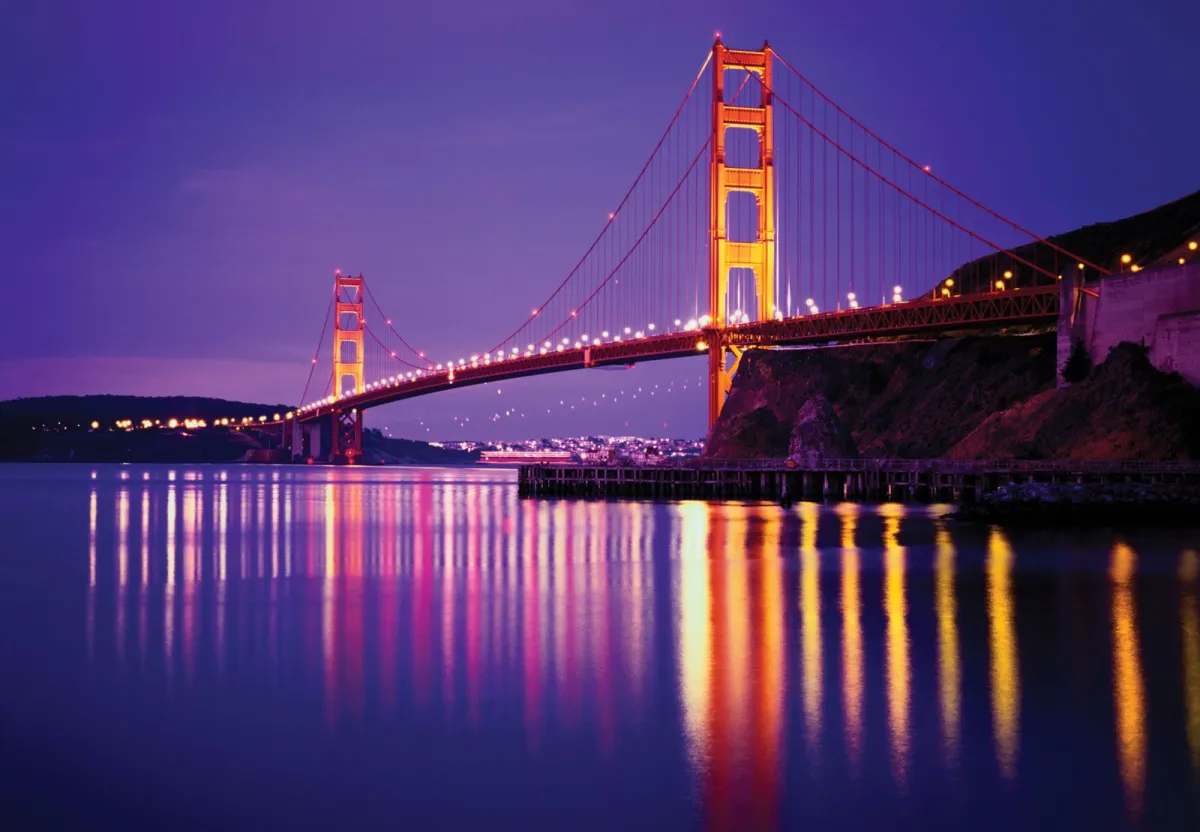 Photo: Golden Gate Bridge, via cdn.britannica.com
Strauss didn't live to see his bridge become a global icon. He died just one year after its completion, worn down by decades of fighting for a project that consumed his entire adult life. But he'd proved something profound about the relationship between vision and persistence.
The Golden Gate Bridge wasn't built by the most qualified engineer in America. It was built by the most stubborn one.
The Dreamer's Paradox
Today, the Golden Gate Bridge attracts millions of visitors annually and has become shorthand for San Francisco itself. It's appeared in countless movies, inspired thousands of artists, and serves as a daily reminder that some of humanity's greatest achievements start as someone else's punchline.
Strauss's story reveals an uncomfortable truth about innovation: the people crazy enough to attempt the impossible are often the same people sane enough to make it work. His obsession with a bridge "nobody wanted" created something everybody loves.
The next time someone tells you an idea is impossible, remember the dishwasher-turned-bridge-builder who spent 20 years proving that the difference between visionary and delusional is often just a matter of timing.