From Pool Deck to Operating Table: The Failed Swimmer Who Revolutionized How Athletes Heal
When Fast Wasn't Fast Enough
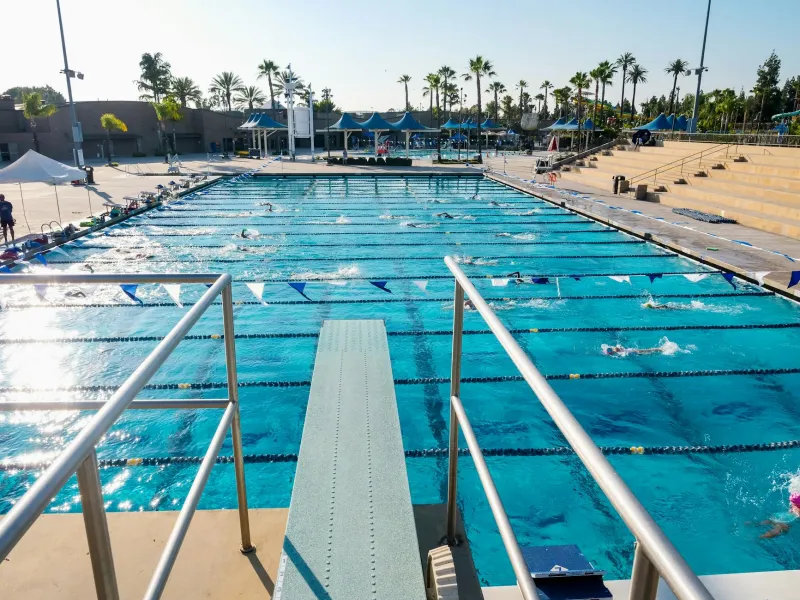
James "Doc" Councilman stood at the edge of the pool in 1950, watching younger swimmers slice through the water with speeds he'd never match. At 27, his competitive career was effectively over. He'd been decent—maybe even good—but decent doesn't win Olympic medals. In swimming, as in most elite sports, there's a brutal clarity: either you're fast enough, or you're not.
Councilman wasn't fast enough. But instead of walking away bitter, he became obsessed with a different question: why were some swimmers fast and others not? What was happening beneath the surface that separated champions from also-rans?
That curiosity would accidentally launch the modern sports medicine industry.
The Science of Seconds
While other former athletes drifted into coaching or left sports entirely, Councilman enrolled in graduate school to study exercise physiology. This was radical thinking in the 1950s. Most coaches relied on intuition, tradition, and motivational shouting. The idea that science might improve athletic performance was considered either unnecessary or downright suspicious.
Councilman set up makeshift laboratories in pool facilities, using primitive equipment to measure heart rates, oxygen consumption, and muscle fatigue in swimmers. He filmed underwater stroke mechanics, analyzing frame by frame what made efficient swimmers different from inefficient ones. He tracked training loads, recovery patterns, and performance metrics with obsessive detail.
His fellow coaches thought he was overthinking things. Swimmers just needed to work harder, they argued. Councilman suspected there was more to it.
The Body as Laboratory
Councilman's breakthrough insight was treating the human body like a complex machine that could be optimized through careful study. He began documenting how different training methods affected performance, recovery, and injury rates. He measured everything: stroke rates, kick frequencies, breathing patterns, even the angle of hand entry into the water.
What he discovered challenged conventional wisdom. Harder training wasn't always better. Rest was as important as work. Technique mattered more than pure strength. Small adjustments in form could produce dramatic improvements in speed and efficiency.
More importantly, he realized that understanding these principles could help athletes avoid injury and recover faster when problems occurred. Swimming had always been considered a "safe" sport, but Councilman documented shoulder impingements, knee problems, and overuse injuries that coaches had been ignoring or misunderstanding.
Building Champions Through Science
Councilman's scientific approach produced results that were impossible to ignore. As head coach at Indiana University, his swimmers began breaking records with startling regularity. Between 1957 and 1990, his teams won 23 consecutive Big Ten championships and six NCAA titles. His swimmers set 23 world records and won 22 Olympic medals.
 Photo: Indiana University, via wallpapers.com
But the real revolution wasn't in the medals—it was in the methods. Councilman had created systematic approaches to training periodization, injury prevention, and performance optimization that other sports began adopting. His influence spread far beyond swimming pools.
The Accidental Industry
What Councilman had accidentally created was the blueprint for modern sports medicine. His emphasis on biomechanical analysis, physiological monitoring, and data-driven training decisions became standard practice across professional athletics. The underwater cameras he pioneered for stroke analysis evolved into the video technology used in every major sport today.
His approach to injury prevention—understanding how repetitive stress affects joints and muscles—became foundational to physical therapy and rehabilitation medicine. The recovery protocols he developed for swimmers were adapted for runners, cyclists, basketball players, and weekend warriors nursing tennis elbows.
Most importantly, Councilman had proven that athletic performance could be systematically improved through careful study and scientific application. This wasn't just about making fast swimmers faster—it was about understanding human movement well enough to help anyone move better, hurt less, and recover more effectively.
Beyond the Pool
By the 1970s, Councilman's influence extended far beyond competitive swimming. Physical therapists were using his biomechanical analysis techniques. Orthopedic surgeons consulted his research on repetitive stress injuries. Corporate wellness programs adopted his ideas about progressive training and active recovery.
His students became influential coaches, researchers, and medical professionals who spread his scientific approach throughout the sports world. The swim techniques he analyzed influenced training methods in other endurance sports. His injury prevention strategies became standard practice in high school and college athletics.
Councilman had taken his personal disappointment at not being fast enough and transformed it into knowledge that helped millions of people move better and hurt less.
The Long Game
Councilman coached until 1990, retiring with a legacy that extended far beyond his impressive win-loss record. The sports medicine industry he'd accidentally helped create was worth billions of dollars and employed thousands of professionals dedicated to optimizing human performance and preventing injury.
Every time a physical therapist analyzes running gait, every time a trainer designs a periodized workout program, every time an athlete uses video analysis to improve technique, they're building on foundations Councilman laid while trying to understand why he wasn't fast enough.
His story proves that sometimes our greatest contributions come not from excelling at what we thought we wanted to do, but from becoming obsessed with understanding why we couldn't do it. Councilman never became the swimmer he dreamed of being. Instead, he became something more valuable—the person who figured out how to help everyone else swim, run, throw, and move just a little bit better.
In sports, as in life, the most lasting victories often belong to those who transform their limitations into insights that benefit everyone else.