
The View from the Bottom
The emergency room at Philadelphia General Hospital in 1967 was a war zone without a general. Patients hemorrhaged on gurneys while doctors argued over who should treat what. Heart attack victims waited behind teenagers with scraped knees. The system wasn't broken—it had never been built.
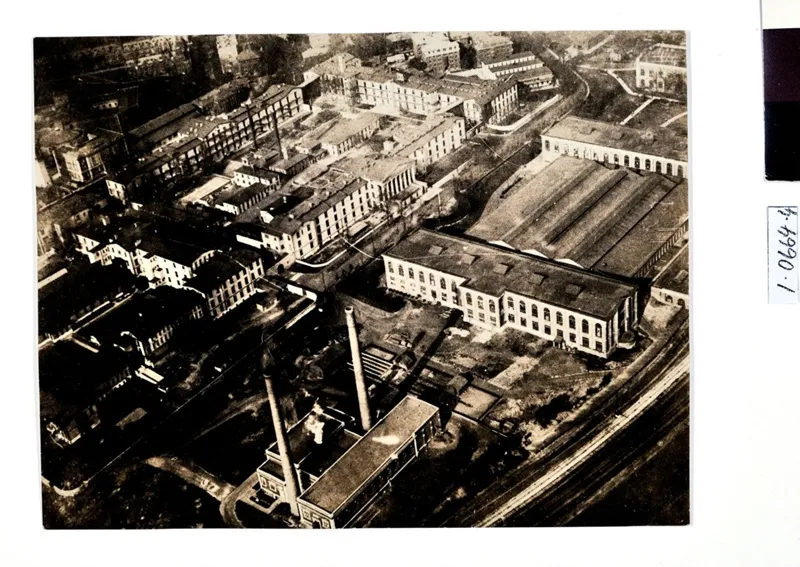 Photo: Philadelphia General Hospital, via images.ehive.com
James DeWese had been watching this chaos for fifteen years, one mop stroke at a time. While doctors rushed past him in their white coats, the soft-spoken orderly noticed patterns that medical school had never taught them to see. He watched ambulances stack up at the door. He saw families collapse from exhaustion in waiting rooms. He counted the minutes—sometimes hours—between a patient's arrival and their first real medical attention.
 Photo: James DeWese, via sparedshared23.com
Most people in DeWese's position would have kept their heads down and their observations to themselves. Hospital hierarchies didn't welcome input from the cleaning crew. But DeWese had spent his whole life being underestimated, and he'd learned to turn invisibility into insight.
The Outsider's Advantage
Born in rural Alabama during the Great Depression, DeWese had dropped out of school at fourteen to help support his family. When he moved north to Philadelphia in the 1950s, hospital work was one of the few jobs available to a Black man without formal education. He started in the basement, washing dishes and hauling laundry, eventually working his way up to orderly.
What DeWese lacked in medical training, he made up for in something the doctors had lost: beginner's eyes. He hadn't been trained to see patients as collections of symptoms or insurance classifications. To him, they were just people in pain, and the system was failing them in predictable ways.
During his breaks, DeWese started keeping notes. Not medical observations—he knew his limits—but operational ones. He tracked patient flow like an industrial engineer studying a factory floor. He noticed that the sickest patients often arrived during shift changes when communication broke down. He saw how geographic clustering of certain injuries could predict busy periods.
Speaking Truth to White Coats
For months, DeWese carried his notebook like a secret. Then came the night that changed everything. A massive car accident sent twelve victims to the ER simultaneously. DeWese watched trained professionals crumble under the chaos. Patients who could have been saved died waiting. Patients who could have waited safely jumped the line based on whoever screamed loudest.
The next morning, DeWese did something that could have cost him his job. He knocked on the chief administrator's door and asked for five minutes to explain what he'd seen.
Dr. Margaret Hoffman was one of the few hospital administrators willing to listen to unconventional voices. She'd fought her own battles as a woman in medicine and recognized that good ideas could come from anywhere. When DeWese spread his handwritten charts across her desk, she saw something remarkable: a systematic analysis of emergency room dysfunction that no medical journal had ever published.
 Photo: Dr. Margaret Hoffman, via broussards1889.com
Building Order from Chaos
DeWese's solution was elegantly simple. Instead of treating patients in order of arrival, why not sort them by urgency? Create different tracks for different types of emergencies. Train someone to make quick initial assessments—not diagnoses, just smart sorting.
The concept seems obvious now, but in 1967, it was revolutionary. Emergency medicine was barely recognized as a medical specialty. Most ERs were staffed by whoever happened to be available, following procedures designed for routine office visits, not life-or-death crises.
Dr. Hoffman gave DeWese permission to test his ideas during overnight shifts when fewer administrators were watching. Working with sympathetic nurses, he created a simple color-coding system. Red for life-threatening emergencies. Yellow for urgent but stable cases. Green for minor injuries that could wait.
The Ripple Effect
The results were immediate and dramatic. Patient wait times dropped. Medical errors decreased. Staff morale improved as they stopped feeling helpless against the chaos. Word spread to other hospitals, then to medical schools, then to health departments.
DeWese's triage system—though he never used that military term—became the foundation for modern emergency medicine protocols. The Emergency Severity Index used in hospitals across America today traces its lineage directly back to his notebook observations and common-sense solutions.
Recognition at Last
By the 1980s, DeWese had been promoted to emergency services coordinator, overseeing the very systems he'd helped create. Medical students came to learn from the man who'd revolutionized their field without ever attending medical school. He spoke at conferences, consulted for hospitals nationwide, and received awards from organizations that had once ignored his existence.
But DeWese never forgot where his insights came from. "You see different things when you're looking up from the floor," he often said. "Sometimes the people closest to the problem have the clearest view of the solution."
Legacy of the Invisible
James DeWese died in 2003, but his influence lives on every time someone enters an American emergency room. That quick initial assessment, that logical sorting of urgent versus routine cases, that sense of organized calm in medical chaos—it all started with a janitor who refused to accept that things had to be the way they'd always been.
His story reminds us that expertise isn't always found in credentials. Sometimes the most profound insights come from the most unexpected places, spoken by voices that institutions have trained themselves not to hear. In a world obsessed with formal qualifications, DeWese proved that the best solutions often hide in plain sight, waiting for someone humble enough to see them and brave enough to speak up.