Letters Across the Iron Curtain: The Teacher Who Accidentally Thawed the Cold War
The Letter That Started Everything
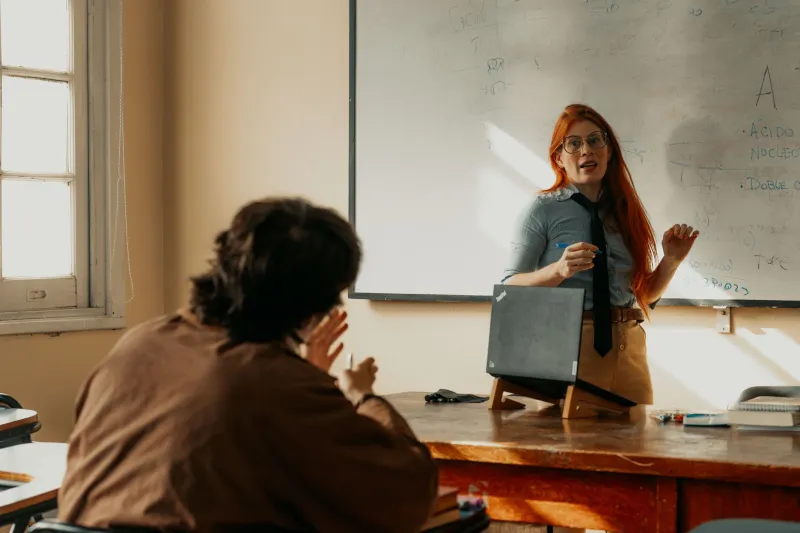
Margaret Sullivan was grading papers in her cramped classroom in Cedar Falls, Iowa, when she read the assignment that would inadvertently help end the Cold War. It was October 1962, just weeks after the Cuban Missile Crisis had brought the world to the brink of nuclear war, and her sixth-grade students were writing essays about current events.
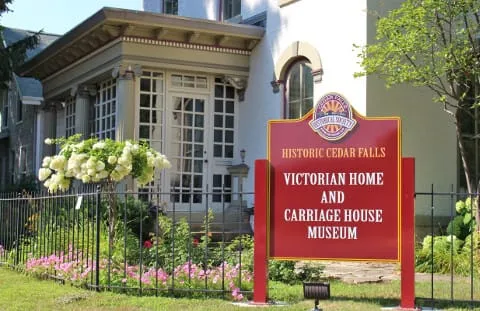 Photo: Cedar Falls, Iowa, via www.cedarfallstourism.org
Twelve-year-old Tommy Peterson had written about the Berlin Wall, but what caught Sullivan's attention wasn't his description of the concrete barrier dividing East and West. It was his final paragraph: "I wonder what kids my age think about on the other side. Do they like baseball? Do they have dogs? Are they scared like me?"
That simple question sparked an idea that would transform Sullivan's modest classroom into an unlikely bridge between two superpowers locked in ideological combat.
"What if we could just ask them?" Sullivan wondered aloud to her colleague during lunch the next day. "What if we could find a way for our kids to talk to their kids?"
It seemed impossibly naive in an era when American and Soviet leaders communicated primarily through threats and ultimatums. But Sullivan had spent fifteen years teaching children that the best way to understand something was to ask questions about it. Why should international relations be any different?
Breaking Through the Silence
Finding pen pals behind the Iron Curtain in 1962 required the kind of persistence that only a determined teacher could muster. Sullivan spent months writing letters to educational organizations, cultural exchanges, and anyone else who might help connect her students with children in Communist countries.
Most of her inquiries disappeared into bureaucratic black holes. The few responses she received were polite but firm rejections. The political climate was too tense, officials explained. Such exchanges could be misinterpreted. Perhaps she should focus on pen pals in friendlier nations.
Sullivan refused to give up. Through a contact at the University of Iowa who knew someone at the Czech Academy of Sciences, she finally found her opening: a progressive educator named Josef Novák who taught at a primary school in Brno, Czechoslovakia, and shared her belief that children could build bridges where politicians had constructed walls.
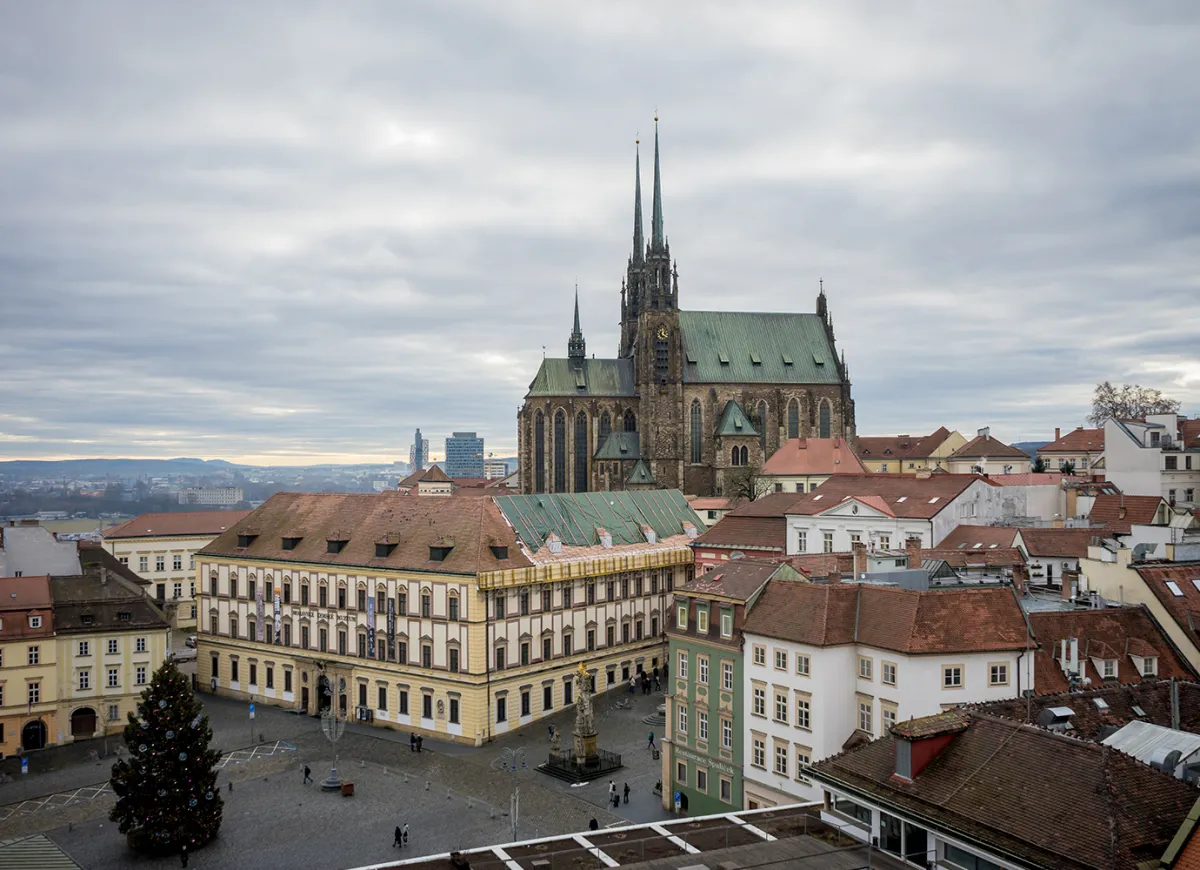 Photo: Brno, Czechoslovakia, via www.new-east-archive.org
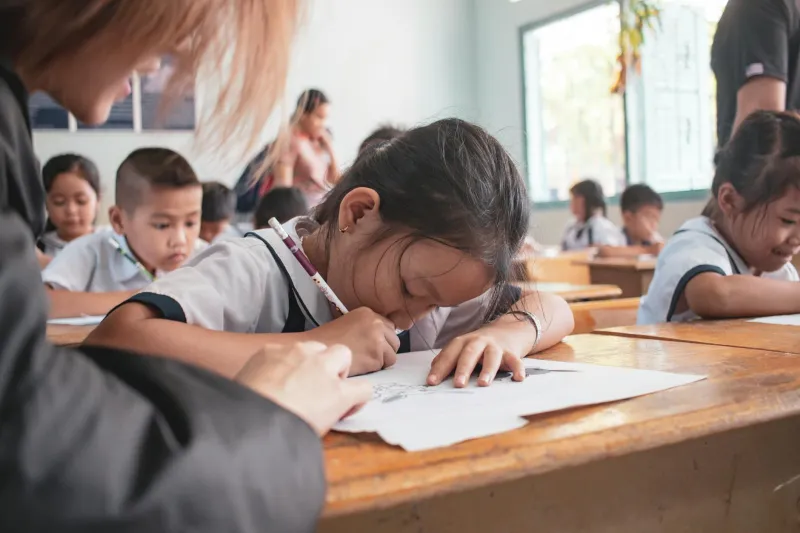
In March 1963, Sullivan's students mailed their first letters to Czechoslovakia. They wrote about their families, their hobbies, their favorite books and movies. They included photographs of their school, their pets, and their town. Most importantly, they wrote as children, not as representatives of competing ideologies.
Small Voices, Big Impact
The response from Brno exceeded Sullivan's wildest expectations. Novák's students replied with equal enthusiasm, sharing stories about their own lives, their hopes, and their fears. The letters revealed striking similarities between children growing up on opposite sides of the Iron Curtain: they all worried about tests, complained about chores, and dreamed about their futures.
Word of the exchange spread quickly through both communities. Parents in Cedar Falls began following their children's correspondence with fascination, and local newspapers picked up the story. In Czechoslovakia, Novák faced initial skepticism from authorities, but the innocent nature of the letters and their positive reception in American media actually enhanced his standing with officials eager to demonstrate their country's peaceful intentions.
What started as a classroom project between two schools evolved into something much larger. Other American teachers contacted Sullivan for advice on starting their own exchanges. Czech educators reached out to Novák. Within two years, hundreds of schools across the Midwest were corresponding with counterparts throughout Eastern Europe.
The Government Takes Notice
By 1965, Sullivan's pen pal program had attracted attention from unexpected quarters. State Department officials, initially concerned about unauthorized contact with Communist countries, began to see the exchanges as a valuable form of "people-to-people diplomacy." The letters provided insights into daily life behind the Iron Curtain that intelligence reports couldn't capture, and they demonstrated American openness in ways that formal diplomatic channels couldn't match.
Soviet and Eastern European officials had their own reasons for supporting the exchanges. The letters from American children contradicted Communist propaganda about aggressive, militaristic Americans, while the responses from their own students showcased the peaceful, educated nature of Socialist societies.
"Both sides realized that these kids were doing something neither government could accomplish," recalled Dr. James Mitchell, a diplomatic historian who studied Cold War cultural exchanges. "They were humanizing the enemy. They were making it harder to maintain the fear and suspicion that the Cold War required."
Sullivan found herself consulting with government officials about how to expand the program while maintaining its authentic, non-political character. The key, she insisted, was keeping adults from interfering with the natural curiosity and openness of children.
Beyond the Classroom
As the pen pal networks grew, they began generating unexpected diplomatic benefits. When tensions flared between the superpowers, the ongoing correspondence provided a channel for informal communication. American and Eastern European educators used their relationships to facilitate cultural exchanges, scientific collaborations, and eventually, high-level diplomatic contacts.
The program also influenced a generation of young people on both sides of the Iron Curtain. Many of Sullivan's former students pursued careers in international relations, education, or cross-cultural communication. Several became diplomats themselves, carrying forward the lesson that understanding begins with listening.
Tommy Peterson, whose essay had inspired the original exchange, eventually became a foreign service officer. "Mrs. Sullivan taught us that the people we're told to fear are usually just people," he reflected years later. "That's a lesson that's served me well in every negotiation I've ever been part of."
The Long Game of Understanding
Sullivan continued coordinating pen pal exchanges until her retirement in 1987, just two years before the Berlin Wall fell. By then, her program had facilitated correspondence between more than 50,000 American and Eastern European students. The relationships formed through these exchanges outlasted the Cold War itself, evolving into business partnerships, academic collaborations, and lifelong friendships.
When the Iron Curtain finally lifted, many of the first cultural and educational exchanges between former adversaries were organized by people who had participated in Sullivan's pen pal program. They already had the contacts, the trust, and the experience needed to build bridges in the post-Cold War world.
The Power of Simple Questions
Margaret Sullivan never set out to influence international relations. She was simply a teacher who believed that children's questions deserved honest answers, even when those questions crossed political boundaries that seemed insurmountable.
Her story reminds us that the most effective diplomacy often happens far from conference tables and treaty negotiations. It happens in classrooms and kitchens, in letters between children who wonder about each other's lives, in the simple human recognition that we're all more alike than different.
"I just wanted my kids to know that there were kids on the other side who worried about the same things they did," Sullivan said in her final interview before retiring. "It turns out that when you start with that understanding, everything else becomes possible."
In an era when international tensions often seem intractable, Sullivan's legacy offers a different model: the radical idea that understanding begins not with grand gestures or formal negotiations, but with one person asking another, "What's your life really like?" Sometimes the most powerful diplomacy starts with the simplest questions.