The Kitchen Table Banking Revolution
Mary Washington kept her ledger in a shoebox under the kitchen sink. Every Tuesday evening, twelve women from her Chicago neighborhood would gather around her dining table, each contributing whatever they could spare—sometimes five dollars, sometimes fifty cents. They called it their "blessing circle," but what they were really running was the most democratic bank in America.
This was 1924, and Mary, like millions of other women across the country, couldn't get a bank loan if her life depended on it. Married women needed their husband's signature. Single women needed a male co-signer. Black women? Forget about it entirely.
So they built their own system.
When Exclusion Breeds Innovation
Across America in the early twentieth century, a quiet financial revolution was brewing in church basements, beauty salons, and living rooms. Women who'd been turned away by traditional banks were creating something unprecedented: a credit system based on trust rather than collateral, community rather than credit scores.
These informal lending circles had different names in different places. In Mexican-American communities, they were called "tandas." In African-American neighborhoods, "sou-sou" or "partner" groups. Among Italian immigrants, "societá." But the principle was universal: pool resources, take turns accessing the pot, and trust your neighbors to honor their commitments.
What started as survival became sophistication. Women who'd never set foot in a business school were developing complex rotating credit systems, calculating interest rates, and managing risk with an intuition that would make modern loan officers jealous.
The Numbers Don't Lie
By the 1930s, these informal networks were moving serious money. In Harlem alone, an estimated $2 million circulated annually through rotating credit associations—money that never touched a traditional bank. In Los Angeles's Boyle Heights, Mexican-American women were financing everything from grocery stores to house down payments through their tanda networks.
The success rates were staggering. While banks were foreclosing on properties and calling in loans during the Great Depression, these community-based systems maintained default rates below 5%. The secret wasn't better screening—it was social pressure and mutual investment in each other's success.
Take Susie King Taylor in Savannah, Georgia. After being denied a business loan to expand her laundry service, she organized fifteen other women into a lending circle. Within three years, she'd not only expanded her business but helped two other women start their own enterprises. The bank that had rejected her loan application eventually tried to recruit her as a customer.
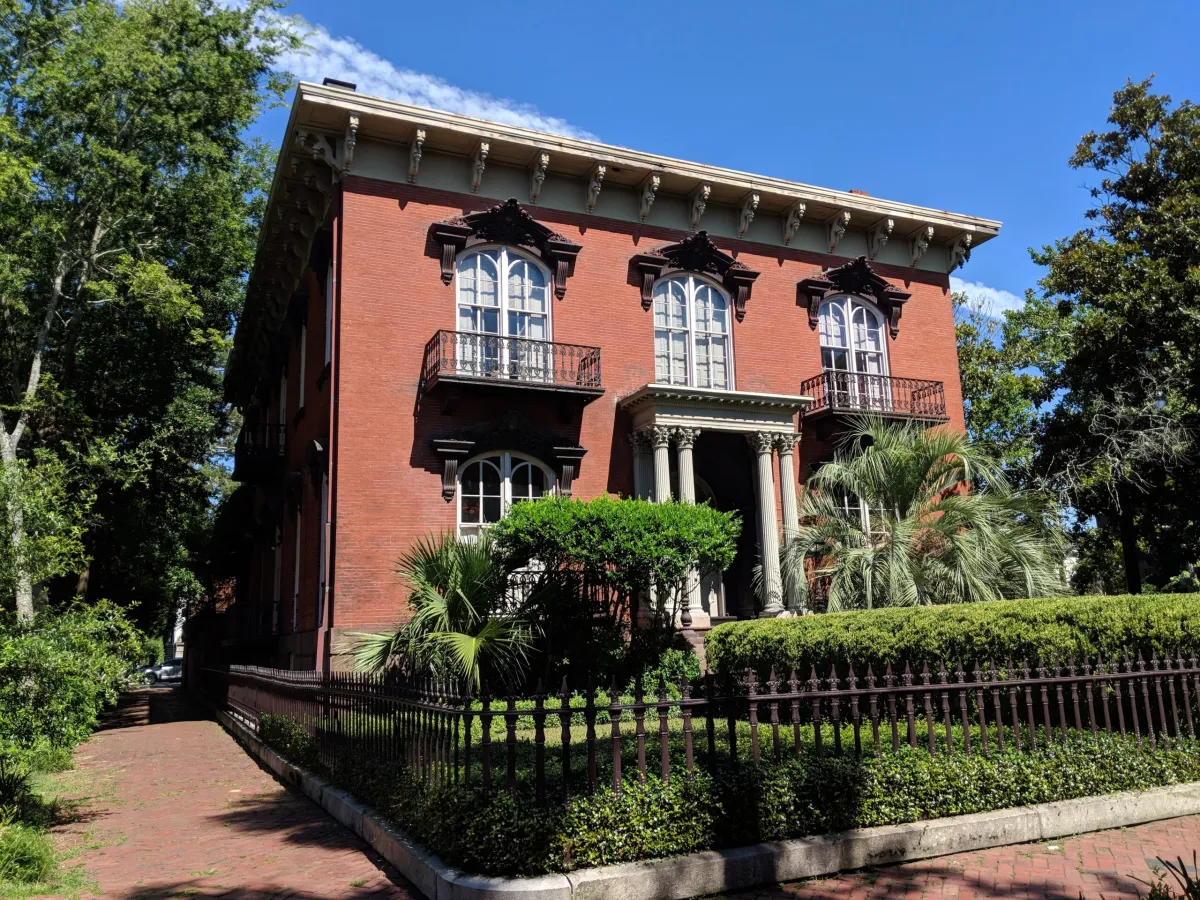 Photo: Savannah, Georgia, via www.rtastudio.com
Beyond the Balance Sheet
These women weren't just moving money—they were rewiring how communities thought about wealth and opportunity. Traditional banks saw lending as a transaction between strangers. These grassroots financiers understood it as an investment in neighborhood stability.
When Rosa Martinez in San Antonio wanted to open a restaurant, her tanda didn't just provide startup capital. The other members became her first customers, recommended suppliers, and helped her navigate city permits. They had skin in the game beyond just getting their money back.
This holistic approach to lending created ripple effects that economists are still studying today. Communities with strong informal credit networks showed higher rates of small business formation, homeownership, and educational achievement. They were essentially creating their own economic ecosystems.
The Invisible Infrastructure
Perhaps most remarkably, these networks operated almost entirely outside official record-keeping. No government agency tracked them. No newspaper covered their meetings. No business school studied their methods. They were the financial equivalent of dark matter—invisible but essential to the structure of American communities.
During World War II, when defense jobs opened new opportunities for women and minorities, these informal credit networks provided the capital that allowed families to relocate, purchase homes, and start businesses in previously inaccessible areas. They were the hidden infrastructure of the American Dream.
Even today, rotating credit associations continue to thrive in immigrant communities across America. Korean-American "kyes," Ghanaian-American "susus," and Dominican-American "san" groups carry forward traditions that predate modern banking by centuries.
The Legacy Lives On
What these pioneering women understood intuitively, modern economists have spent decades trying to quantify: trust is the most valuable currency in any financial system. Their kitchen-table banks weren't just about money—they were about creating pathways to prosperity for people the formal economy had written off.
Today's microlending organizations, community development financial institutions, and even peer-to-peer lending platforms all trace their DNA back to those Tuesday night meetings around Mary Washington's dining table. The specific methods have evolved, but the core insight remains revolutionary: sometimes the best way to build an economy is to start with the people the existing one has forgotten.
The next time you hear about innovative financial technologies disrupting traditional banking, remember that the real disruption began a century ago, one penny at a time, in the hands of women who refused to take no for an answer.