The Letter That Changed Everything
The rejection letter arrived on a Tuesday morning in 1937. Ruth Mosko, a 20-year-old from Denver with big dreams and little money, had applied to the prestigious Art Students League in New York City. Her portfolio—careful sketches and watercolors created in her family's cramped apartment—wasn't enough to earn her a spot among the chosen few.
Most people would have seen this as the end of an artistic dream. Ruth saw it as permission to find another way.
Without formal training weighing down her instincts, she began experimenting with materials and techniques that traditional art schools would have dismissed as amateur. She carved sculptures from soap bars, painted on unusual surfaces, and created three-dimensional pieces that didn't fit into any established category. What her instructors would have called "wrong" became the foundation of her revolutionary approach to design.
The Accidental Apprenticeship
Unable to afford art school, Ruth took a job at Paramount Pictures in Los Angeles, working in the design department. Hollywood in the 1940s was a playground for creative experimentation, and Ruth absorbed lessons that no classroom could have provided. She learned how to create compelling characters, how to tell stories through visual design, and most importantly, how to understand what audiences actually wanted rather than what critics thought they should want.
Her colleagues were formally trained artists and designers, but Ruth's outsider perspective allowed her to see opportunities they missed. While they focused on technical perfection, she paid attention to emotional connection. While they followed established rules, she asked why those rules existed in the first place.
This unconventional education proved invaluable when she married Elliot Handler and they decided to start a business together. The Handlers began creating picture frames, but Ruth's Hollywood experience had taught her to think bigger. She saw furniture, then toys, then something that didn't yet have a name.
The Doll That Broke All the Rules
In the 1950s, most dolls were designed to help little girls practice being mothers. They were babies or toddlers, soft and cuddly, encouraging nurturing behavior. Ruth Handler watched her daughter Barbara play and noticed something the toy industry had completely missed.
Barbara didn't want to pretend to be a mother. She wanted to imagine being grown up.
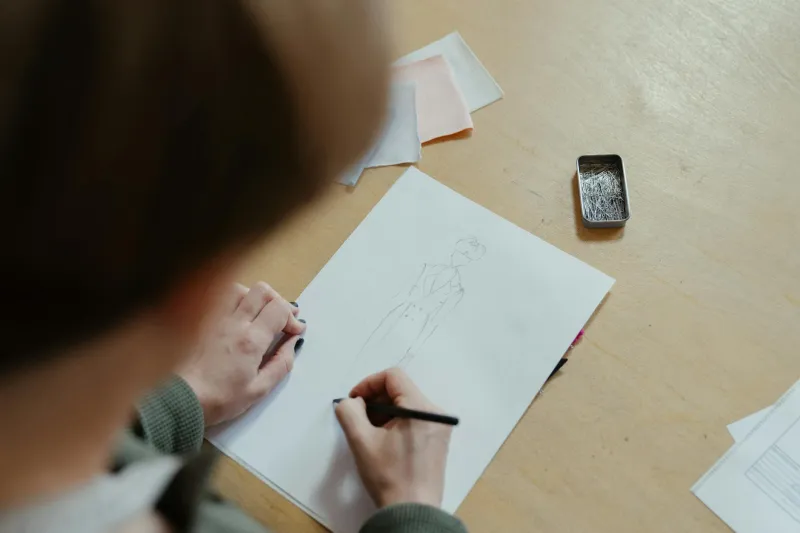
Ruth began sketching designs for an adult-figured doll—something that would let children project themselves into future possibilities rather than maternal roles. The toy industry executives she approached were horrified. Parents would never buy such a thing. Little girls weren't interested in fashion or adult fantasy. The concept was commercially impossible.
Every rejection strengthened Ruth's conviction that she was onto something important. Her lack of formal training in child psychology or toy design became an advantage—she wasn't constrained by industry assumptions about what children wanted or needed.
Barbie's Revolutionary Debut
When Barbie debuted at the 1959 New York Toy Fair, the response was exactly what Ruth had expected: shock, outrage, and dismissal from industry professionals. Parents complained that the doll was inappropriate. Retailers worried it wouldn't sell. Competitors predicted quick failure.
But children had a different reaction entirely.
Barbie represented something unprecedented in American toy culture: the idea that play could be about aspiration rather than just imitation. Little girls could imagine themselves as astronauts, doctors, presidents, or anything else they could dream up. The doll's extensive wardrobe wasn't just about fashion—it was about possibilities.
Within two years, Barbie had become the best-selling toy in America. Within a decade, she had launched an entire industry of aspirational play that generated billions in revenue and influenced how multiple generations of children thought about their futures.
The Accidental Industry
Ruth Handler's rejection from art school had inadvertently created what we now call the "fashion doll" industry. But her influence extended far beyond toys. She had proven that sometimes the most important innovations come from people who don't know what's supposed to be impossible.
Barbie's success opened doors for countless other unconventional toy concepts. Action figures, collectible dolls, and interactive toys all trace their lineage back to Ruth's willingness to ignore expert opinion and trust her own observations about how children actually played.
More broadly, she demonstrated that formal education and industry experience, while valuable, could sometimes become obstacles to genuine innovation. Her outsider perspective allowed her to see opportunities that insiders missed because they were too invested in existing assumptions.
Beyond the Pink Aisle
The cultural impact of Ruth Handler's accidental career shift extends far beyond the toy industry. Barbie became a lightning rod for debates about body image, gender roles, and childhood development—conversations that revealed how much one woman's creative vision had influenced American culture.
Critics argued that Barbie promoted unrealistic beauty standards. Supporters countered that she encouraged girls to dream bigger than traditional roles allowed. Both sides missed the deeper point: Ruth Handler had created a platform for children to explore identity and possibility in ways that previous generations couldn't imagine.
Her story reminds us that some of our most transformative cultural contributions come not from following prescribed paths, but from being forced to create new ones. The art school that rejected Ruth Handler probably produced many technically skilled graduates whose names are now forgotten. Meanwhile, the woman they deemed unqualified accidentally built an empire that continues to shape how children play and dream.
The Lesson in the Letter
Ruth Handler's journey from rejection letter to billion-dollar industry illustrates a profound truth about creative success: sometimes the institutions that exclude us are doing us a favor. Formal training provides valuable skills, but it can also impose limitations that prevent truly original thinking.
The next time a door slams shut on your dreams, consider the possibility that it's not an ending but a redirection toward something you couldn't have imagined from inside the room you were trying to enter. Ruth Handler's greatest creation emerged not despite her rejection from art school, but because of it.