The Wrong Stage at the Wrong Time
In 1945, Merv Griffin was bombing nightly at the Coconut Grove in Los Angeles, crooning big-band standards to audiences who'd rather be anywhere else. His voice was pleasant enough, but pleasant wasn't selling tickets in post-war America. Jazz was getting experimental, pop was getting personal, and Griffin's wholesome tenor felt like yesterday's news.
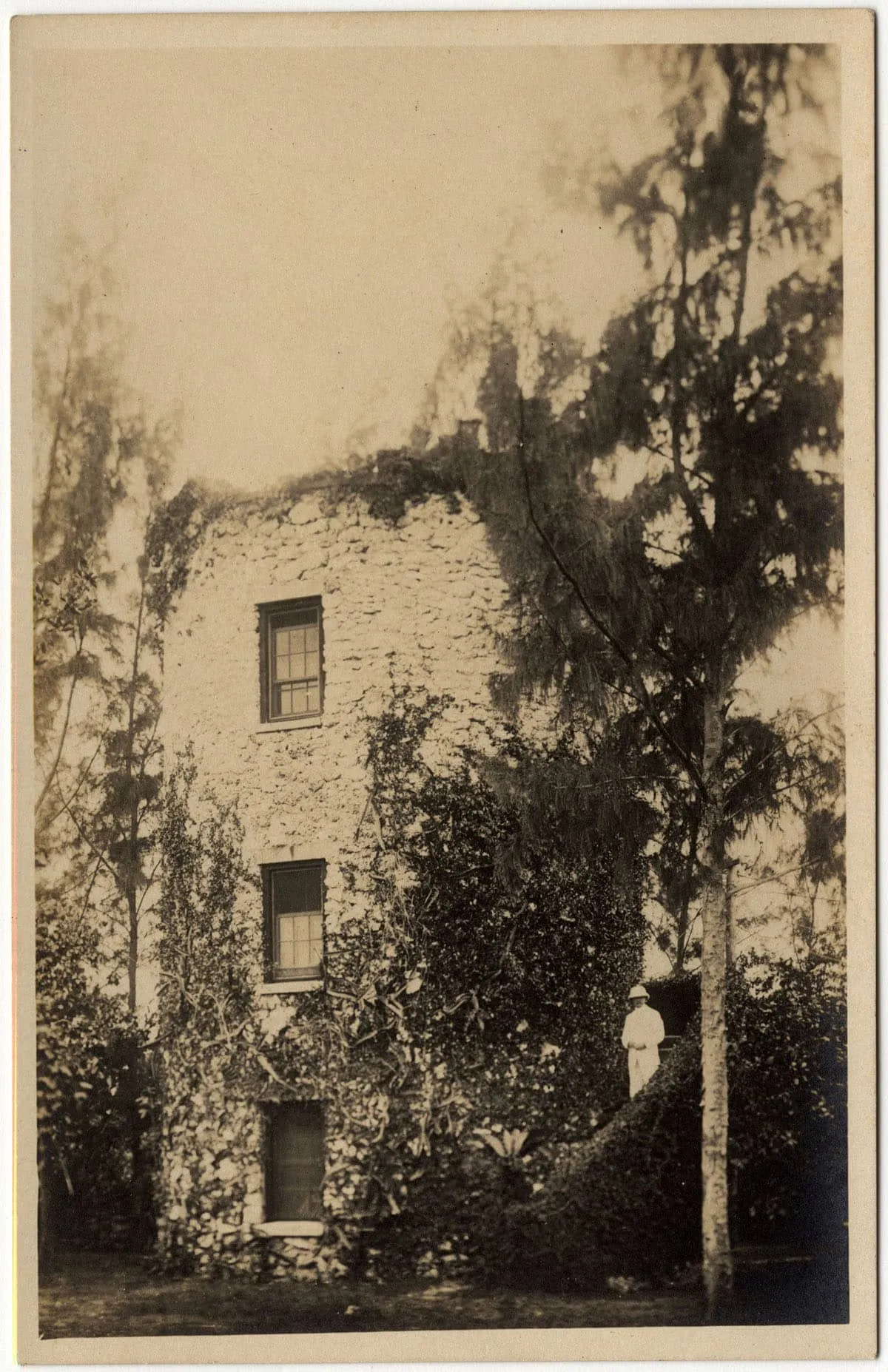 Photo: Coconut Grove, via coconutgrove.com
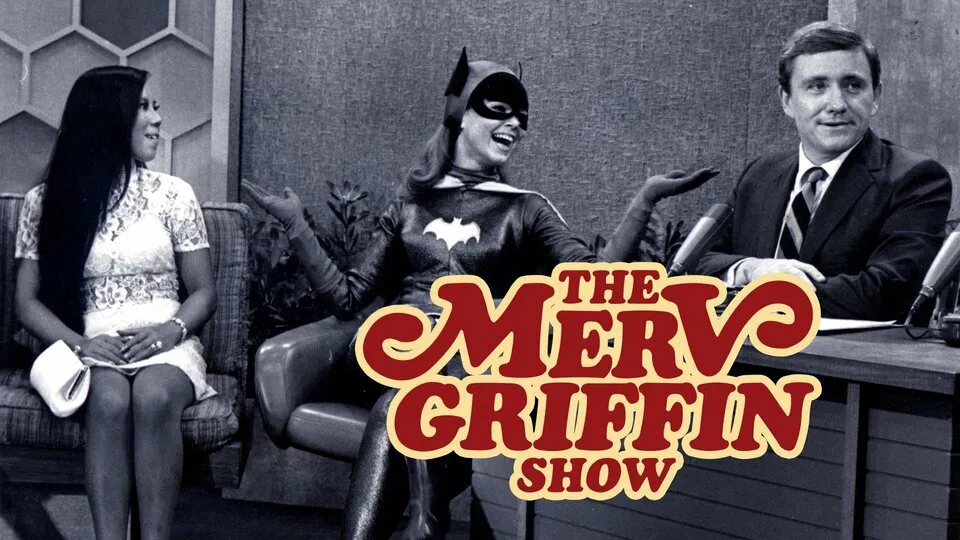 Photo: Merv Griffin, via ntvb.tmsimg.com
Most failed singers would have packed up their sheet music and found a day job. Griffin did something stranger: he started paying attention to what the audience actually wanted instead of what he thought they should want.
That shift in perspective—from performer to observer—would eventually make him one of the most successful television producers in American history.
Learning the Game from the Outside
After his singing career fizzled, Griffin bounced between odd jobs in the entertainment industry's margins. He hosted radio shows that nobody listened to, appeared on game shows as a contestant, and took whatever gigs kept him close to the business that had rejected him.
But those years in television's minor leagues taught him something the network executives in their corner offices never learned: what ordinary Americans actually found entertaining when they thought nobody important was watching.
Griffin noticed that game show contestants got more audience reaction than the hosts. He saw how people leaned forward during certain types of questions and checked out during others. He observed which prizes made viewers at home call their friends and which ones left them cold.
While established producers were creating shows they thought audiences should enjoy, Griffin was quietly cataloging what audiences actually enjoyed.
The Breakthrough Nobody Saw Coming
In 1962, Griffin finally got his shot at hosting his own talk show. "The Merv Griffin Show" wasn't groundbreaking television—it was comfortable television. Griffin's years of being overlooked had taught him to make guests feel relaxed, and relaxed guests made better television.
But it was his side ventures that revealed Griffin's real genius. While hosting his talk show, he started developing game shows, drawing on his years of watching what worked and what didn't from the contestant's perspective.
His first major success was "Jeopardy" in 1964. The show's backwards format—giving contestants answers and asking for questions—seemed gimmicky to network executives. But Griffin understood something they didn't: audiences loved feeling smarter than the people on screen, and the format let them show off their knowledge at home.
The Pattern Recognition Advantage
Griffin's outsider status had given him a superpower: pattern recognition unclouded by industry conventional wisdom. While other producers were trying to create the next big breakthrough, Griffin was perfecting the small details that kept viewers coming back.
"Wheel of Fortune," which Griffin created in 1975, was essentially a televised crossword puzzle with a roulette wheel. Industry insiders thought it was too simple, too slow, too predictable. Griffin thought it was exactly what families wanted to play along with at home.
He was right. The show became a cultural phenomenon, spawning catchphrases, merchandise, and a level of audience loyalty that network programmers still study today.
But Griffin's real innovation wasn't in the shows themselves—it was in understanding that television success came from creating habits, not just entertainment. His shows became appointment viewing because they were predictable in the best possible way.
The Quiet Empire
By the 1980s, Griffin had quietly become one of the wealthiest people in Hollywood, but few people outside the industry knew his name. He'd sold "Jeopardy" and "Wheel of Fortune" to networks for unprecedented sums, retaining ownership stakes that generated millions in syndication revenue.
Unlike other entertainment moguls, Griffin avoided the spotlight. He preferred working behind the scenes, developing new shows, and investing his television profits in real estate and casinos. His Beverly Hills mansion and resort properties were legendary, but he rarely appeared in gossip columns.
 Photo: Beverly Hills, via www.encirclephotos.com
This invisibility was strategic. Griffin understood that his value came from understanding audiences, not from being famous himself. He was the rare Hollywood success story who got rich by staying humble.
The Outsider's Advantage
Griffin's career trajectory reveals something profound about innovation in entertainment: sometimes the best way to understand what audiences want is to spend time being rejected by the industry that serves them.
His years as a failed singer, struggling radio host, and game show contestant gave him insights that no focus group could provide. He knew what it felt like to be on the wrong side of the entertainment business, and that empathy translated into shows that made viewers feel included rather than impressed.
When Griffin died in 2007, his estate was worth an estimated $1.2 billion—much of it generated by two simple game shows that network executives had initially dismissed as too unsophisticated for television.
The Last Laugh
Today, "Jeopardy" and "Wheel of Fortune" remain television staples, still drawing millions of viewers in an era of infinite entertainment options. They've outlasted countless "breakthrough" shows and "revolutionary" formats, proving Griffin's core insight: sometimes the most enduring entertainment comes from understanding the fundamentals of human nature rather than chasing the latest trends.
Merv Griffin never became the singer he dreamed of being, but his failure taught him to listen differently. That skill—honed during years of being overlooked—eventually made him more successful than most of the stars who had overshadowed him.
His story is a reminder that sometimes the view from the margins is clearer than the view from the center, and that understanding your audience is more valuable than impressing your peers.