The Double Life of Rosa Bridges
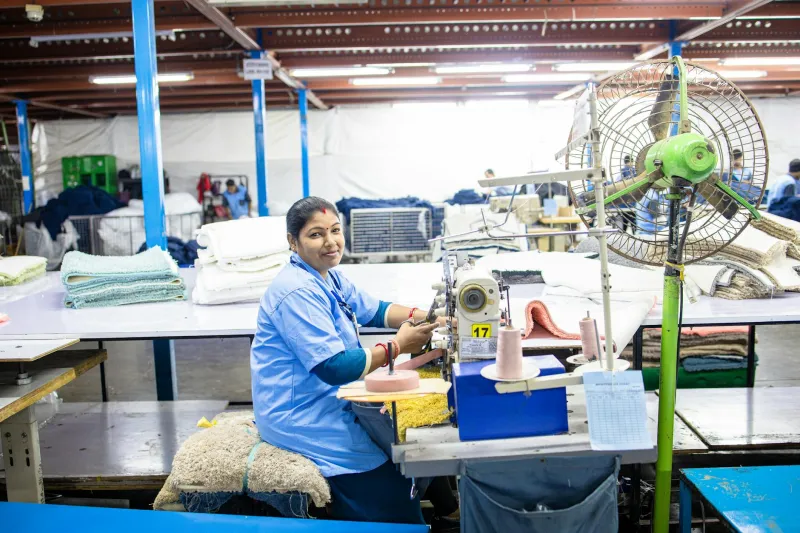
By day, Rosa Bridges fed cotton through industrial looms at Milliken Textiles in Spartanburg, South Carolina. Her hands moved in mechanical precision, twelve hours at a stretch, six days a week. But when the factory whistle blew at sunset, Rosa's real work began.
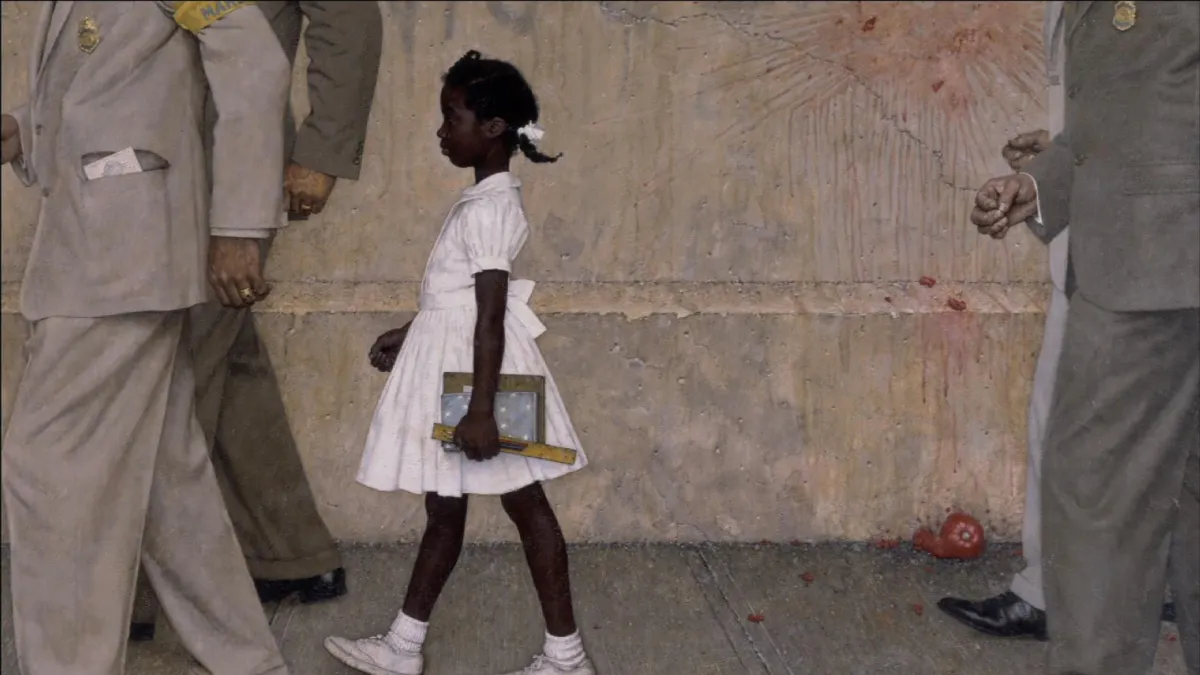 Photo: Rosa Bridges, via image.pbs.org
In the cramped apartment she shared with her sister above Murphy's Five and Dime, Rosa transformed scraps of mill fabric into something no government surveyor had ever attempted: detailed textile maps of the Appalachian communities that were disappearing around her.
Starting in 1952, Rosa spent every free evening hunched over her kitchen table, stitching together memories and stories into geographic truth. Blue thread traced creek beds that mining companies were filling with slag. Brown fabric marked homesteads where families had lived for generations before the government bought their land for "progress." Green patches showed forests that existed only in the recollections of elderly neighbors.
Nobody paid Rosa to do this work. Nobody even knew she was doing it.
Learning the Landscape
Rosa had grown up in these mountains, in a hollow so small it never appeared on any official map. Her grandfather had been a circuit preacher who knew every family, every farm, every footpath between Virginia and Georgia. As a child, Rosa had ridden along on his visits, absorbing an encyclopedia of local knowledge that no university had ever catalogued.
When Rosa moved to town for mill work in her twenties, she watched that world begin to vanish. The Tennessee Valley Authority was flooding entire valleys for hydroelectric projects. Strip mining was peeling away mountainsides. Interstate highways were cutting through communities that had existed since before the Civil War.
Most heartbreaking of all, the people themselves were leaving. Young folks headed north for factory jobs in Detroit and Pittsburgh. Old-timers died without passing on the stories that kept places alive in memory. Whole communities were becoming ghost towns, leaving behind only empty houses and forgotten names.
The Art of Remembering
Rosa's first map was personal—a fabric recreation of her childhood hollow, stitched together from memory and conversations with her aging relatives. She used different textures to represent different features: corduroy for plowed fields, velvet for pastures, rough burlap for rocky outcroppings.
But Rosa quickly realized that her memories weren't enough. If she wanted to preserve these places accurately, she needed to talk to other people who remembered them. So she began what she called her "Sunday drives"—weekend trips back into the mountains to visit elderly residents and collect their stories.
Rosa would arrive at remote farmhouses with a bag of fabric scraps and endless questions. Where exactly had the old schoolhouse stood? Which creek had the best swimming hole? What were the names of the families who lived up each hollow? She sketched rough maps during these conversations, then spent weeks translating the information into thread and cloth.
Word spread through mountain communities about the mill girl who was trying to stitch their world back together. People began seeking Rosa out, bringing her photographs, hand-drawn maps, even property deeds that helped her place buildings and boundaries with surprising accuracy.
Threads of Truth
Rosa's maps weren't just artistic interpretations—they were surprisingly precise historical documents. She developed her own system of symbols and scales, using different stitching patterns to indicate everything from elevation changes to the types of crops grown in different areas. She embroidered family names onto homestead locations, creating a textile census of communities that official records had never acknowledged.
By the early 1960s, Rosa had completed maps of over forty mountain communities across three states. Her apartment had become an informal archive, with fabric maps rolled and stored in tubes throughout her living space. She kept detailed notebooks explaining her symbols and sources, treating each map like a scholarly research project.
The work consumed her life. Rosa never married, never had children, rarely took vacations. Her sister worried that she was becoming obsessed, but Rosa felt a sense of urgency that others didn't understand. Every year that passed meant more memories died, more places disappeared, more stories were lost forever.
Discovery and Recognition
Rosa's secret archive might have remained hidden forever if not for a chance encounter in 1987. Dr. Jennifer Walsh, a cultural geographer from Appalachian State University, was researching traditional land use patterns in the Carolina mountains. A local pastor mentioned Rosa's maps as a curiosity—"You should see what this old mill worker has been stitching together."
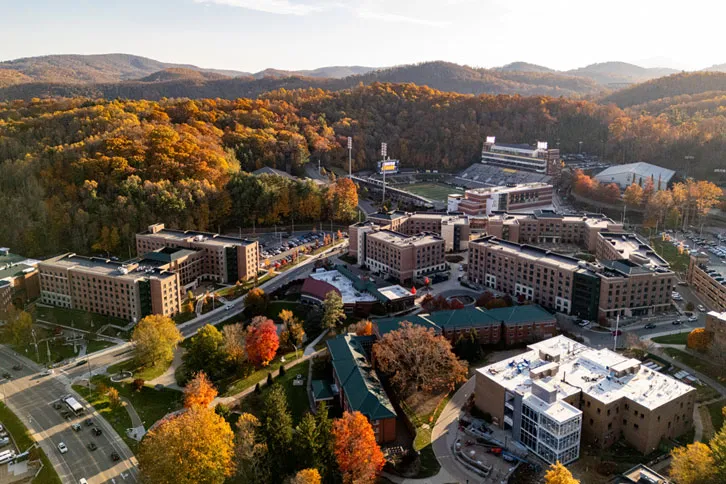 Photo: Appalachian State University, via www.appstate.edu
When Dr. Walsh first saw Rosa's collection, she couldn't believe what she was looking at. Here were detailed records of dozens of communities that had vanished without leaving any other trace in the historical record. Rosa's maps showed migration patterns, settlement histories, and land use practices that no academic study had ever documented.
More importantly, Rosa's maps were often the only surviving records of places that government surveys had never bothered to document. Small communities, Black settlements, Native American sites—all the places that official mapmakers had deemed too insignificant to record—lived on in Rosa's careful stitchwork.
The Archive That Almost Wasn't
By 1987, Rosa was seventy-three years old and in declining health. She'd never thought of her maps as historically significant—they were just her way of honoring places and people she'd loved. When Dr. Walsh explained their scholarly value, Rosa was bemused but pleased.
Working with the university, Rosa spent her final years helping researchers understand her methods and symbols. Her apartment became a pilgrimage site for historians, anthropologists, and geographers who were amazed by the depth and accuracy of her work.
The Smithsonian Institution acquired Rosa's complete collection in 1992, recognizing it as one of the most important archives of Appalachian cultural geography ever assembled. Rosa lived to see her first map displayed in a museum exhibition, though she remained puzzled by all the attention.
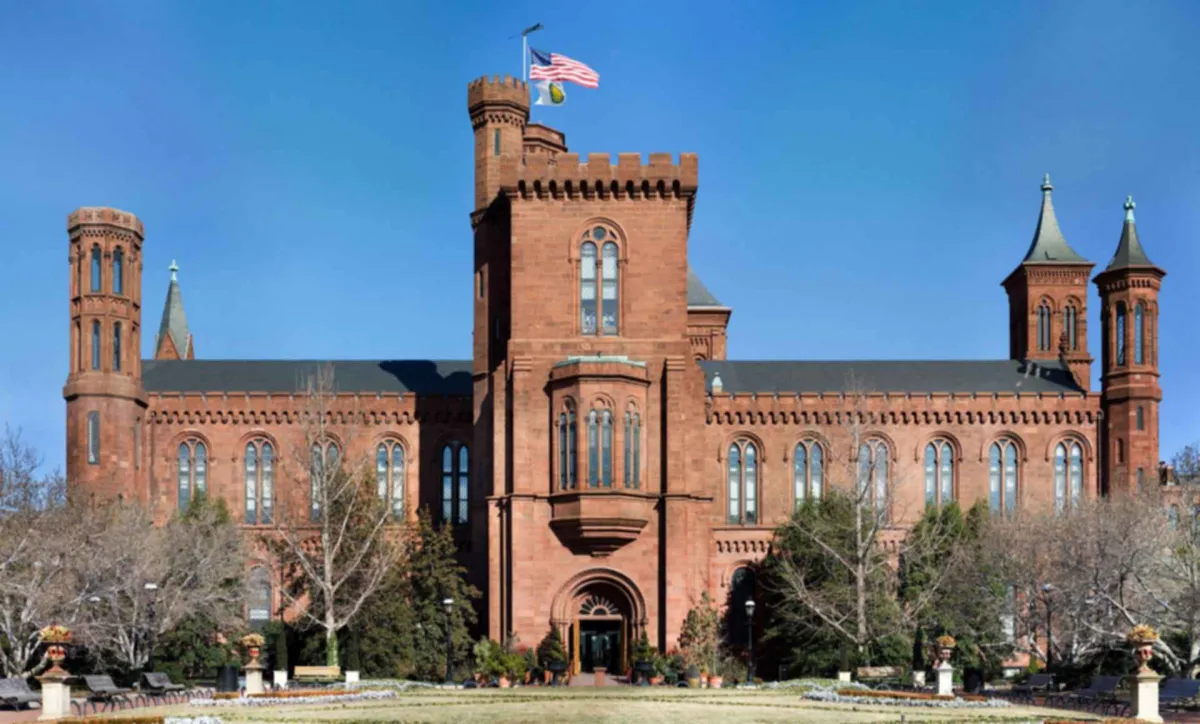 Photo: Smithsonian Institution, via cdn.modlar.com
"I was just trying to remember," she told a reporter. "Seemed like somebody ought to."
Stitching Memory to Future
Rosa Bridges died in 1995, but her textile archive continues to serve researchers and communities throughout Appalachia. Her maps have helped historians trace family genealogies, assisted archaeologists in locating forgotten settlements, and provided legal evidence in land rights disputes.
More profoundly, Rosa's work demonstrated that historical preservation doesn't require official sanction or academic credentials. Sometimes the most important archives are created by individuals who simply refuse to let their worlds disappear without witness.
In an age when digital mapping can show us satellite images of every corner of the earth, Rosa's fabric maps remind us that the most important landscapes are often the ones that exist only in human memory. Her patient stitching proved that love and attention can preserve what official records neglect, and that sometimes the most valuable histories are written not with pens, but with thread.
Today, when communities throughout rural America are facing their own forms of disappearance, Rosa Bridges stands as an example of how individual dedication can save entire worlds, one careful stitch at a time.