Uncommon Callings Home

Category

Culture

41 articles


The Man Who Couldn't Hear the Music — And Heard It Better Than Anyone

The Man Who Couldn't Hear the Music — And Heard It Better Than Anyone

Evelyn Glennie lost most of her hearing before she was a teenager, then went on to become one of the most celebrated percussionists in the world — and quietly rewrote how musicians, engineers, and audiences understand sound itself. Her story isn't about overcoming deafness. It's about what deafness taught her that hearing never could.

Forty Kids and a Punchline: The Accidental Birth of American Stand-Up

Forty Kids and a Punchline: The Accidental Birth of American Stand-Up

Nobody handed Benjamin Rugg a stage. What he got instead was a classroom full of restless teenagers, a chalk-dusted blackboard, and the creeping realization that he had about thirty seconds to make something interesting happen or completely lose the room. What came out of that daily survival test would quietly reshape American entertainment for the next century.

No Words, All Music: The Polish Immigrant Who Taught Chicago to Hear Itself

No Words, All Music: The Polish Immigrant Who Taught Chicago to Hear Itself

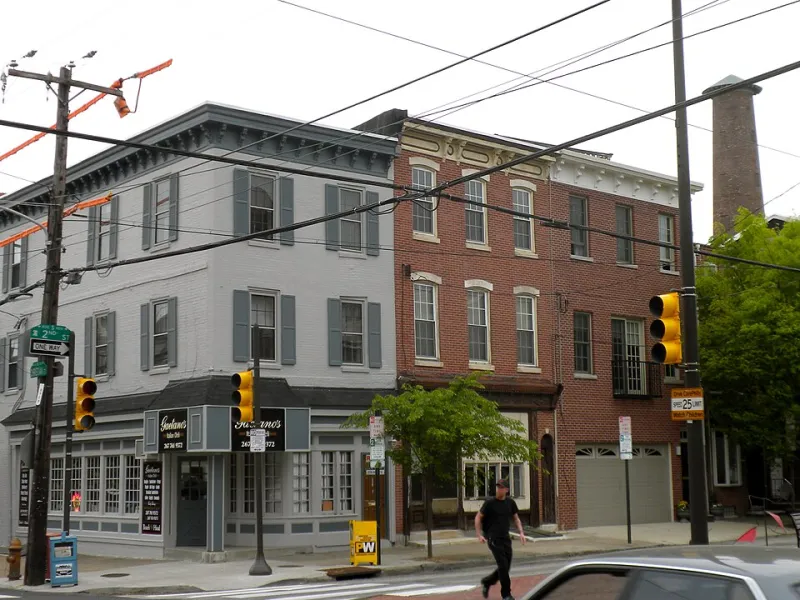
Stefania Woytasik arrived in Chicago in the 1920s with almost no English, a suitcase full of handmade instruments, and a teaching philosophy she hadn't yet put into words because she'd never needed to. What she built in borrowed church basements on the South Side would outlast her by generations, quietly reshaping how America thinks about music, community, and who gets to learn.

The Woman Behind the Flag Was More Interesting Than the Legend That Replaced Her

The Woman Behind the Flag Was More Interesting Than the Legend That Replaced Her

The Betsy Ross most Americans learned about in school is largely a story invented by her grandson nearly a century after her death. The real Elizabeth Griscom Ross was something more interesting: a working woman who kept a business alive through a revolution, outlasted three marriages, and stitched upholstery into her eighties in a trade that barely tolerated her presence. Her actual life didn't need embellishment. It just needed someone to look at it honestly.
Ink-Stained Guardians: The Factory Workers Who Secretly Saved a Language

Ink-Stained Guardians: The Factory Workers Who Secretly Saved a Language

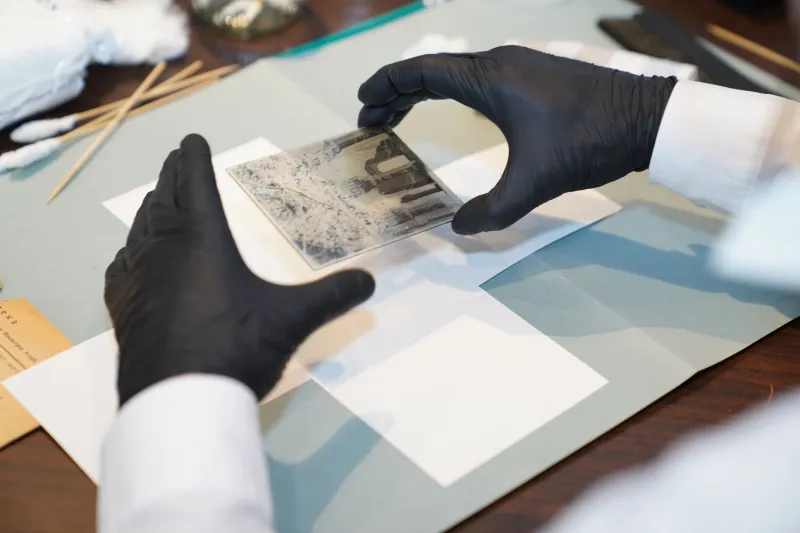
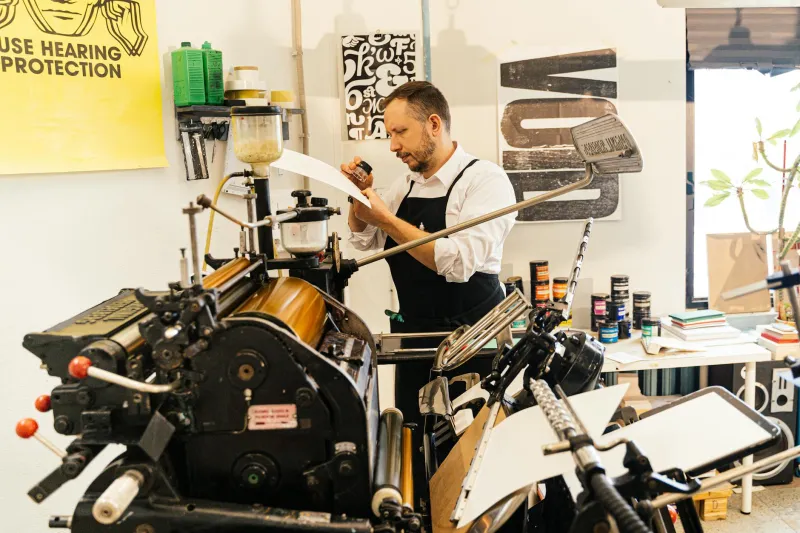
As Yiddish newspapers faded from American cities, an army of immigrant typesetters—former peddlers, factory hands, and street vendors—kept the presses running. These unsung workers accidentally preserved one of the world's richest literary traditions, creating an archive scholars are only now beginning to understand.

Stories From the Graveyard: How a Forgotten Scholar Captured America's Hidden Voice

Stories From the Graveyard: How a Forgotten Scholar Captured America's Hidden Voice

Between shifts digging graves and scrubbing floors, Zora Neale Hurston traveled backroads collecting the stories that educated America dismissed as worthless. Her unconventional methods and blue-collar hustle produced some of the most important cultural work in American history, though she died penniless and forgotten.

Letters Across the Iron Curtain: The Teacher Who Accidentally Thawed the Cold War

Letters Across the Iron Curtain: The Teacher Who Accidentally Thawed the Cold War

When Margaret Sullivan started a simple pen pal exchange between her Iowa students and children in Czechoslovakia, she never imagined it would grow into a covert diplomatic bridge. Her classroom project became the human face of international relations, proving that sometimes the most powerful diplomacy happens between children trading stories about their dogs and favorite foods.

The Canvas Rebellion: How Pain Taught an Old Woman to Paint America

The Canvas Rebellion: How Pain Taught an Old Woman to Paint America

Anna Mary Robertson Moses was seventy-eight when arthritis forced her to abandon embroidery, the craft that had defined her hands for decades. What she discovered next—paintbrush in arthritic fingers—would make her one of America's most beloved artists and prove that creativity has no expiration date.

Plain Words That Moved Mountains

Plain Words That Moved Mountains

John Hay never held elected office or owned a newspaper, but his simple verses about life on the American frontier quietly convinced a nation to reconsider its most destructive impulses. Sometimes the most powerful voices come from the places nobody's listening.

Rejection Letters and Billion-Dollar Dreams

Rejection Letters and Billion-Dollar Dreams

When Ruth Handler's application to art school came back stamped "REJECTED," she had no idea she was about to accidentally create one of the most influential industries in American culture. Sometimes the doors that close are exactly the ones that needed to stay shut.

The Chess Drum and the Kid Who Wasn't Supposed to Play

The Chess Drum and the Kid Who Wasn't Supposed to Play

Chess has always had gatekeepers. Daaim Shabazz just refused to let them close the door. Growing up working-class in Chicago, he found the game in a community center — and eventually built the most important platform in Black chess history.

Fifty Dollars and a Dream: How John H. Johnson Built a Media Empire Nobody Believed In

Fifty Dollars and a Dream: How John H. Johnson Built a Media Empire Nobody Believed In

In 1942, John H. Johnson walked into a Chicago insurance company and borrowed five hundred dollars against his mother's furniture to launch a magazine that the entire publishing industry told him would fail. Ebony and Jet would go on to reshape how Black Americans saw themselves — and land Johnson on the Forbes 400 list as the first Black American to get there.

Why the Best Chapters Often Start After 50

Why the Best Chapters Often Start After 50

American culture is obsessed with early achievement — the prodigy, the wunderkind, the Forbes 30 Under 30. But some of the most consequential lives in history didn't hit their stride until most people assume the story is winding down. These five people knew something the hustle culture never figured out.

Rocket Man, Water Gun: The Accidental Genius of Lonnie Johnson

Rocket Man, Water Gun: The Accidental Genius of Lonnie Johnson

Lonnie Johnson spent years working on nuclear-powered spacecraft and stealth bombers — then accidentally invented the best-selling toy in American history while tinkering in his bathroom. His story is a reminder that a brilliant mind doesn't stay in its lane, and that the most world-changing ideas often arrive in disguise.