He Struck Out an Era and Nobody Wrote It Down: The Pitcher Who Came Before Jackie Robinson
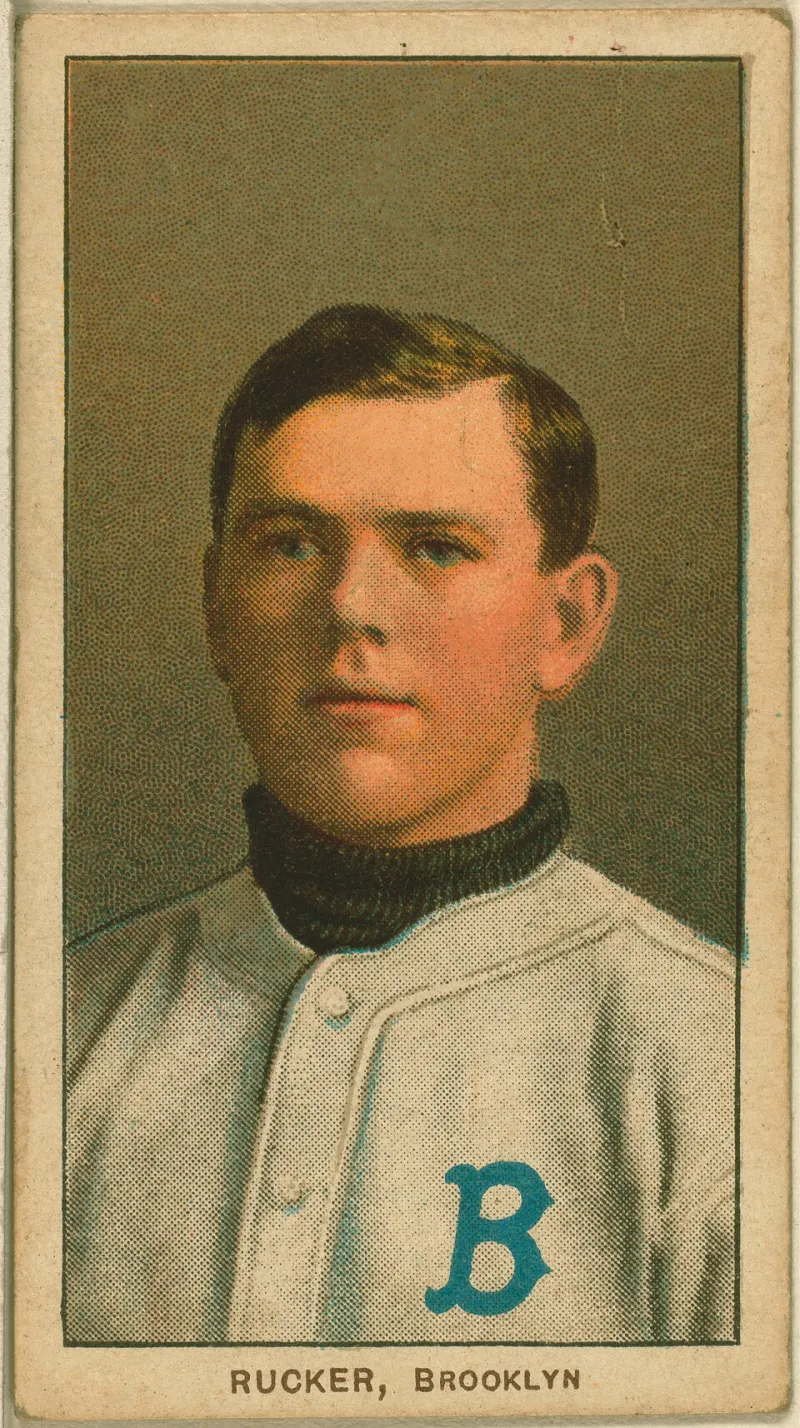
Photo: …trialsanderrors, CC BY 2.0, via Wikimedia Commons
In April 1947, Jackie Robinson walked onto Ebbets Field in Brooklyn and changed American sports forever. That moment is real, earned, and genuinely important. But history has a habit of centering its milestones on the moment of official recognition rather than on the long, unacknowledged work that made recognition possible. And somewhere in that gap — between what was happening and what was being recorded — lived a pitcher named Chet Brewer.
 Photo: Ebbets Field, via ladyjulina.com
 Photo: Chet Brewer, via img.freepik.com
Brewer never got his Ebbets Field moment. He was too early, or the country was too late, depending on how you want to assign the fault. Either way, he spent twenty-plus years being one of the best pitchers in baseball while American sports culture looked deliberately in another direction.
The Long Education of a Kansas Kid
Chet Brewer was born in 1907 in Leavenworth, Kansas, and came up in baseball the way most Black players of his generation did — through a parallel world that existed entirely outside the major leagues. He broke into the Kansas City Monarchs of the Negro National League in the mid-1920s, a teenager throwing breaking balls that older hitters couldn't read.
 Photo: Kansas City Monarchs, via hongwanjihawaii.com
The Monarchs were one of the great franchises in Negro Leagues history, and Brewer fit right in. He developed a curveball that became his signature — sharp, late-breaking, the kind of pitch that made experienced batters look foolish. He also had command. He could spot a fastball on the corner, change speeds with conviction, and work through a lineup with the patience of a much older man.
By the early 1930s, he was one of the most dominant pitchers in the Negro Leagues. Box scores existed. People were watching. The games were real. The talent was indisputable. America's mainstream sports press just mostly declined to cover them.
Barnstorming Into Proof
Here's where Brewer's story gets both more compelling and more frustrating. During the offseason, major league players and Negro Leagues stars would sometimes meet on neutral ground — barnstorming tours, exhibition games, one-off contests that took place outside the official structures of either league. These games were informal enough that the racial politics of organized baseball didn't technically apply. They were also, in many cases, the most honest measure of talent available.
Brewer pitched in those games. Against major league lineups. Against players who were, by the official accounting of American sports, the best in the world.
He won. Repeatedly. He faced rosters that included genuine major league stars and came away with victories that, had they been recorded in official major league statistics, would have built a Hall of Fame case. Instead, they were recorded in community newspapers, in the memory of people who were there, and in the quiet institutional knowledge of baseball people who knew exactly what they were watching.
He also took his game international, pitching in Mexico, Cuba, and other Latin American circuits where the color line didn't apply and where his reputation was simply that of an outstanding pitcher. In those places, there was no asterisk. He was just Chet Brewer, and Chet Brewer was excellent.
The Generation That Arrived Too Early
Brewer wasn't alone. He was part of an entire generation of Black athletes — pitchers, hitters, fielders — who played their best baseball during the years when American professional sports were explicitly closed to them. Satchel Paige is the most famous name from that group, partly because his career extended long enough that he eventually did get to pitch in the majors, giving the mainstream record something to attach a legend to.
Brewer didn't get that bridge. By the time Jackie Robinson integrated the majors in 1947, Brewer was forty years old. He'd been pitching professionally for more than two decades. The window that opened for Robinson — through a combination of Robinson's specific talents, Branch Rickey's specific ambitions, and a specific postwar cultural moment — opened too late for Brewer to walk through it as a player.
He later became a scout and a coach, contributing to the careers of players who would go on to succeed in the integrated game he'd been locked out of. That contribution is real. It's also a quieter kind of justice than the one he deserved.
What We Owe the Forgotten
Chet Brewer died in 1990. He'd lived long enough to see his era get some belated recognition — Negro Leagues statistics have been increasingly incorporated into historical baseball records, and the Baseball Hall of Fame has inducted a number of players whose careers were spent outside the major leagues. Whether that accounting is sufficient is a question worth sitting with.
The harder question his story raises isn't really about baseball. It's about what we mean when we say someone was great. If greatness requires official recognition to count, then the record we've built is full of holes — shaped not by who was best, but by who was allowed to compete in the arenas we chose to document.
Brewer was great by any honest measure. He won games he wasn't supposed to be able to win. He outpitched men the country had decided were the best in the world. He did it for twenty years, in front of crowds who knew what they were watching, in box scores that existed and were simply not consulted.
We don't have to pretend the story has a satisfying resolution. Sometimes the most honest thing a story can do is hold the discomfort still long enough for you to feel it. Chet Brewer deserved a major league career. He didn't get one. He was extraordinary anyway.
The question of what we owe him — and the hundreds of players like him — doesn't have a clean answer. But it's worth asking more often than we do.