The Ghost Writer of American Safety: How One Woman's Hidden Work Protected Millions
The Office Nobody Noticed
In a cramped third-floor room above Chicago's Hull House settlement, a woman hunched over legal documents by lamplight, drafting legislation that would reshape American life. Florence Kelley worked without fanfare, without official title, and often without pay. Politicians would later claim credit for the laws she wrote. Newspapers would praise reforms she designed. History books would overlook her entirely.
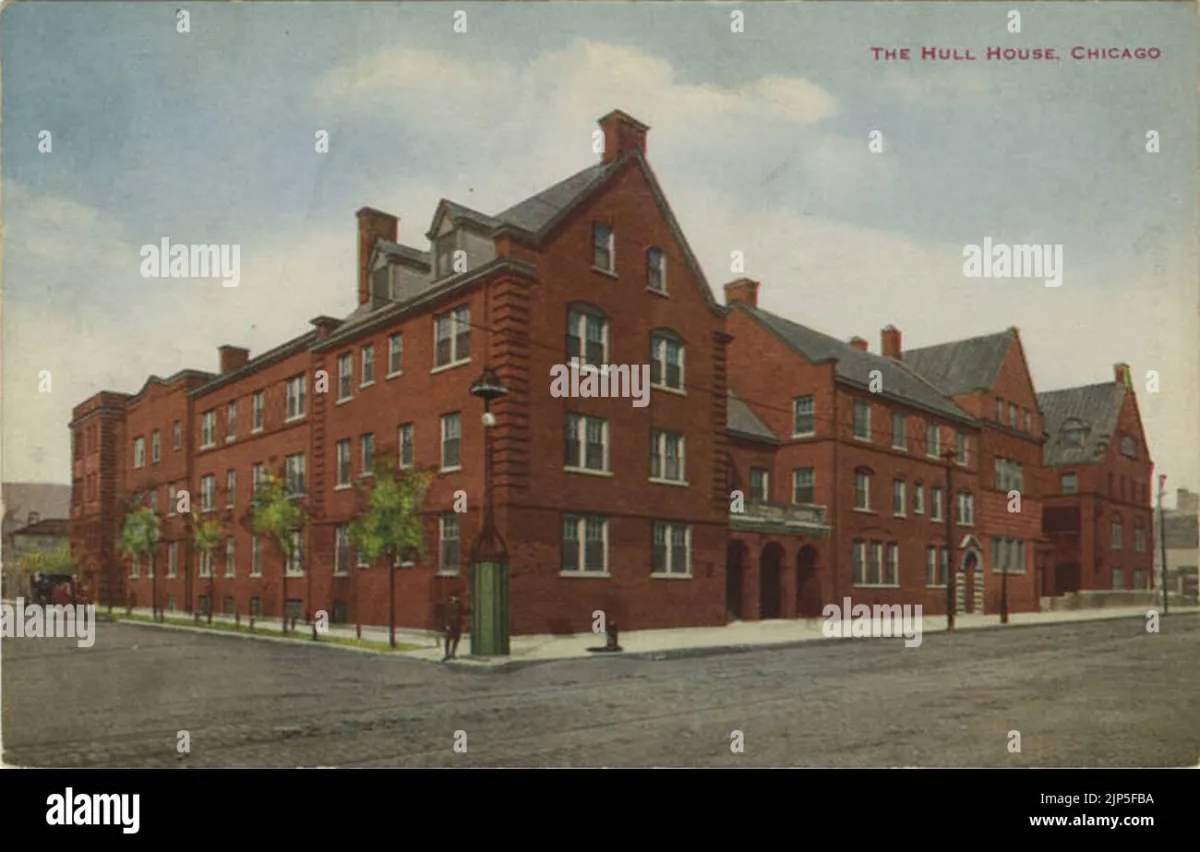 Photo: Hull House, via c8.alamy.com
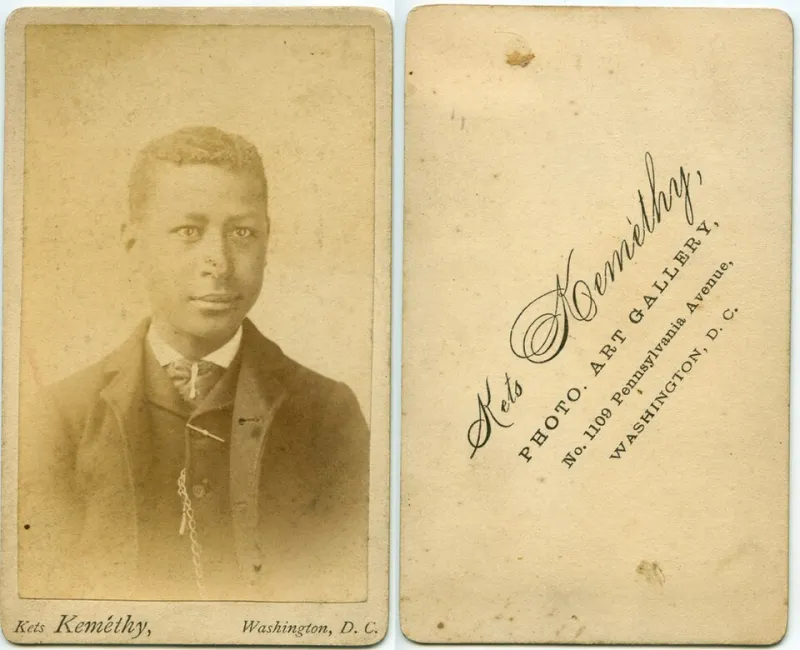
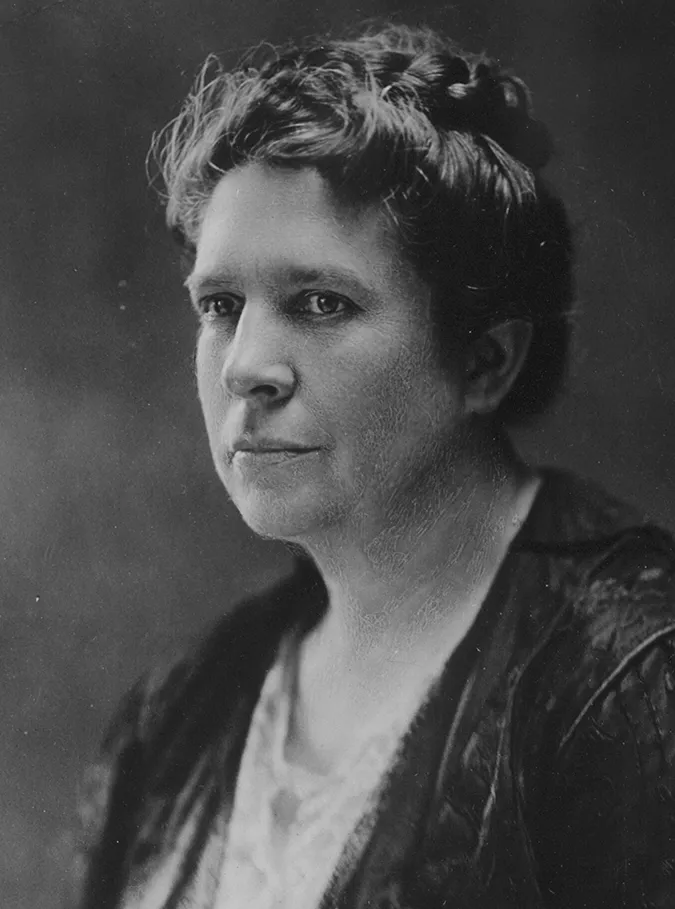 Photo: Florence Kelley, via socialwelfare.library.vcu.edu
But for three decades, from the 1890s through the 1920s, Kelley was quietly writing the rules that protected American workers, consumers, and children from the worst excesses of industrial capitalism. She never held elected office. She rarely gave speeches. Yet her invisible influence touched more lives than most presidents.
Learning the System From the Ground Up
Kelley's approach to reform was radically practical. While other activists organized protests or lobbied politicians, she spent her days in factories, tenements, and sweatshops documenting exactly how industrial work was destroying lives. She interviewed child workers whose fingers had been mangled by machinery. She measured the lead content in paint that was poisoning families. She tracked the working hours of women who were collapsing from exhaustion.
Then she went home and translated those observations into precise legal language.
Kelley understood that lasting change required more than moral outrage—it required laws with teeth. So she taught herself to write legislation that could survive court challenges, enforcement gaps, and political opposition. She studied legal precedents, analyzed constitutional constraints, and crafted statutes that were both ambitious and bulletproof.
The Art of Invisible Influence
Kelley's genius lay in her ability to work through others. She would research an issue exhaustively, draft comprehensive legislation, then find sympathetic politicians to introduce her bills. She provided them with talking points, supporting evidence, and strategic advice. When the laws passed, the politicians got credit. Kelley got results.
This approach required swallowing enormous amounts of ego. Male legislators regularly presented her ideas as their own innovations. Newspapers praised their vision and leadership. Kelley watched from the gallery as men took bows for work she'd done in her spare time.
But she understood power better than most of her contemporaries. Real influence, she realized, came from getting things done, not getting recognition. Every child protected by labor laws, every worker saved by safety regulations, every family protected from dangerous products was a victory that mattered more than any byline.
Writing Safety Into American Life
The scope of Kelley's legislative influence was staggering. She drafted the eight-hour workday laws that became standard across American industry. She wrote child labor protections that removed hundreds of thousands of children from dangerous factories. She created the first consumer protection statutes that required accurate labeling of food and medicine.
Her 1893 Illinois Factory Act became the template for labor legislation nationwide. The law limited working hours for women, prohibited child labor under 14, and established factory safety inspections. Other states copied its language almost verbatim. Within a decade, Kelley's legal framework had spread across the country.
She also pioneered what would later become modern consumer protection law. Her investigations revealed that products labeled as "pure" often contained dangerous chemicals, that children's toys were painted with lead, that medicines contained addictive substances without warning labels. She drafted legislation requiring honest labeling, safety testing, and corporate liability for harmful products.
The Settlement House Strategy
Kelley's base of operations was Hull House, the Chicago settlement where middle-class reformers lived and worked in immigrant neighborhoods. This wasn't charity tourism—it was strategic positioning. By living among the people affected by industrial exploitation, Kelley could document problems with firsthand accuracy and understand what solutions might actually work.
From Hull House, she built a network of investigators, researchers, and allies who fed her information from across the country. When a dangerous working condition emerged in a Pittsburgh steel mill, Kelley heard about it. When a fraudulent patent medicine appeared in Boston pharmacies, she knew within days. This intelligence network allowed her to stay ahead of problems and draft preventive legislation before crises became catastrophes.
The settlement house also provided crucial political cover. When businesses attacked her reforms as radical or anti-American, Kelley could point to Hull House's reputation for practical, nonpartisan social work. She wasn't a revolutionary—she was a neighbor who happened to be very good at writing laws.
Building Movements Through Legislation
Kelley understood that good laws could create political momentum for broader change. Each successful piece of legislation established precedents that made the next reform easier to achieve. Her child labor laws, for example, didn't just protect children—they demonstrated that government could successfully regulate working conditions without destroying the economy.
This incremental approach frustrated more radical reformers who wanted immediate, comprehensive change. But Kelley played a longer game. She knew that lasting reform required building institutional capacity, legal precedents, and public acceptance gradually. Each law she wrote made the next one possible.
Her strategy proved remarkably durable. Many of the legal frameworks she created in the 1890s and 1900s remained essentially unchanged for decades. The consumer protection principles she established became the foundation for New Deal legislation and modern regulatory agencies.
The Legacy in Every Label
Today, Florence Kelley's influence surrounds us so completely that we barely notice it. The warning labels on household chemicals exist because she documented poisoning cases and drafted disclosure requirements. The age restrictions on dangerous jobs exist because she proved that child labor laws could be enforced effectively. The safety standards for toys, food, and medicine all trace back to legislative templates she created.
Every time a parent reads an ingredient list, every time a worker relies on safety equipment, every time a dangerous product gets recalled, Florence Kelley's invisible hand is protecting them. She never held office, never sought fame, and died largely forgotten. But she built the legal infrastructure that makes American life measurably safer.
Her story reminds us that the most consequential power often operates entirely behind the scenes. While politicians grab headlines and activists organize marches, someone has to write the actual laws. Someone has to translate moral outrage into legal language. Someone has to do the unglamorous work of building systems that protect people.
Florence Kelley did that work for three decades, asking for nothing but results. In a democracy obsessed with celebrity and recognition, she proved that the most lasting influence belongs to those willing to remain invisible while making everyone else's life a little bit safer.