Stories From the Graveyard: How a Forgotten Scholar Captured America's Hidden Voice
The Scholar Nobody Recognized
In 1927, a young Black woman knocked on cabin doors across the rural South, asking elderly residents to tell her their oldest stories. She had no university backing, no research grant, and no formal credentials. What she had was a shovel-calloused hands, a keen ear, and an unshakeable belief that the tales passed down on front porches contained more truth about America than anything written in academic journals.
Zora Neale Hurston funded her folklore collection expeditions by working whatever jobs would have her. She dug graves in Florida. She cleaned houses in New York. She waited tables, picked fruit, and scrubbed floors. Between these shifts, she filled notebook after notebook with stories that mainstream scholars dismissed as primitive superstition.
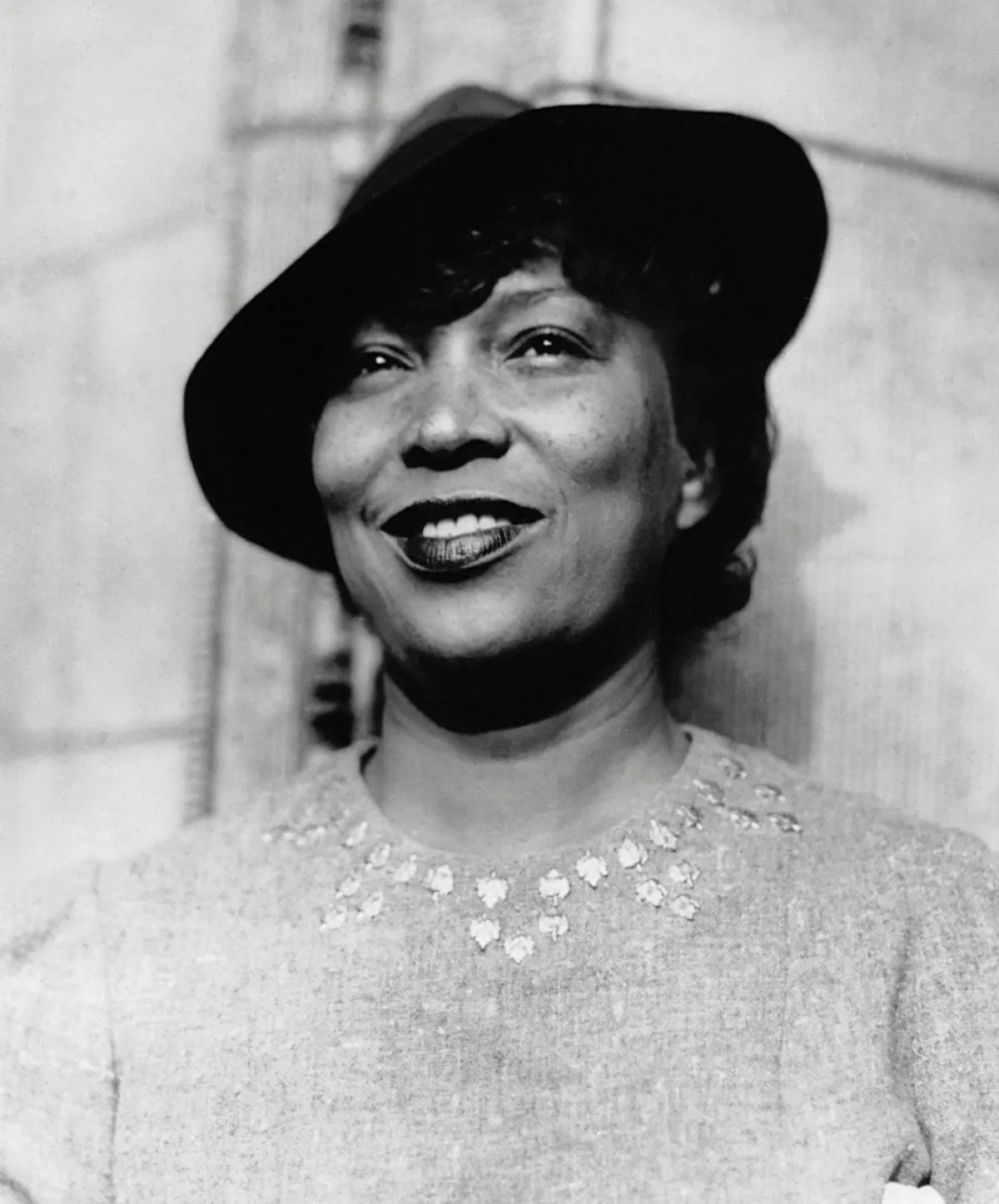 Photo: Zora Neale Hurston, via cdn.britannica.com
They were wrong. Hurston was documenting the cultural DNA of a nation.
The Anthropologist in Overalls
Hurston's approach to folklore collection was revolutionary precisely because it was so ordinary. While university researchers arrived in communities with clipboards and clinical detachment, Hurston showed up in work clothes, ready to share meals and chores. She understood that real stories emerge only when people trust you enough to let their guard down.
In Eatonville, Florida—the first incorporated all-Black town in America—she sat on general store steps recording the verbal jousting matches locals called "lying sessions." In Louisiana's bayou country, she learned hoodoo practices from root doctors who had never spoken to an outsider. In the Bahamas, she documented work songs that preserved African rhythms scholars thought had vanished centuries earlier.
Each story she collected was a thread in a vast cultural tapestry that academic America had never bothered to examine. Hurston realized these weren't just entertaining tales—they were sophisticated repositories of philosophy, history, and survival wisdom.
Making Ends Meet, Making History
The financial reality of Hurston's research was brutal. Anthropology departments weren't funding studies of Black folk culture in the 1920s and 1930s. So she cobbled together funding however she could. She worked as a domestic servant for wealthy white families, using her earnings to buy gas and notebooks. She took seasonal agricultural work, picking beans and citrus between research trips.
When those jobs weren't enough, she took on some of the most physically demanding work available. For several months, she worked as a gravedigger in Fort Pierce, Florida. The irony wasn't lost on her—during the day, she buried the dead; at night, she recorded the stories that would keep their culture alive.
Her financial struggles weren't just about funding research. As a Black woman in Jim Crow America, Hurston faced systematic exclusion from academic opportunities. White universities wouldn't hire her. Black colleges, strapped for resources themselves, couldn't afford to support her unconventional work. She existed in the margins of both academic and literary worlds.
The Notebooks That Changed Everything
What emerged from Hurston's years of financial struggle and cultural documentation was extraordinary. Her collections included thousands of folktales, hundreds of songs, detailed descriptions of religious practices, and comprehensive documentation of language patterns that revealed how African cultural elements had survived and evolved in America.
These weren't museum pieces. Hurston understood that folklore was living culture, constantly adapting to new circumstances. The stories she recorded showed how enslaved and formerly enslaved people had used humor, metaphor, and coded language to maintain dignity and community under impossible conditions.
Her masterwork, "Mules and Men," became the first book of African American folklore written by an African American scholar. But it was more than academic documentation—Hurston's narrative voice brought readers directly into the communities she'd studied. You could hear the laughter, feel the heat, taste the food.
Recognition That Came Too Late
Despite producing groundbreaking scholarship and acclaimed novels, Hurston died in 1960 in a Florida welfare home, buried in an unmarked grave. The academic establishment that had ignored her work during her lifetime continued to overlook her contributions for another decade.
Then, in the 1970s, a new generation of scholars rediscovered her notebooks and realized what they'd missed. Alice Walker, searching through overgrown Florida cemeteries, found Hurston's grave and marked it with a headstone reading "A Genius of the South."
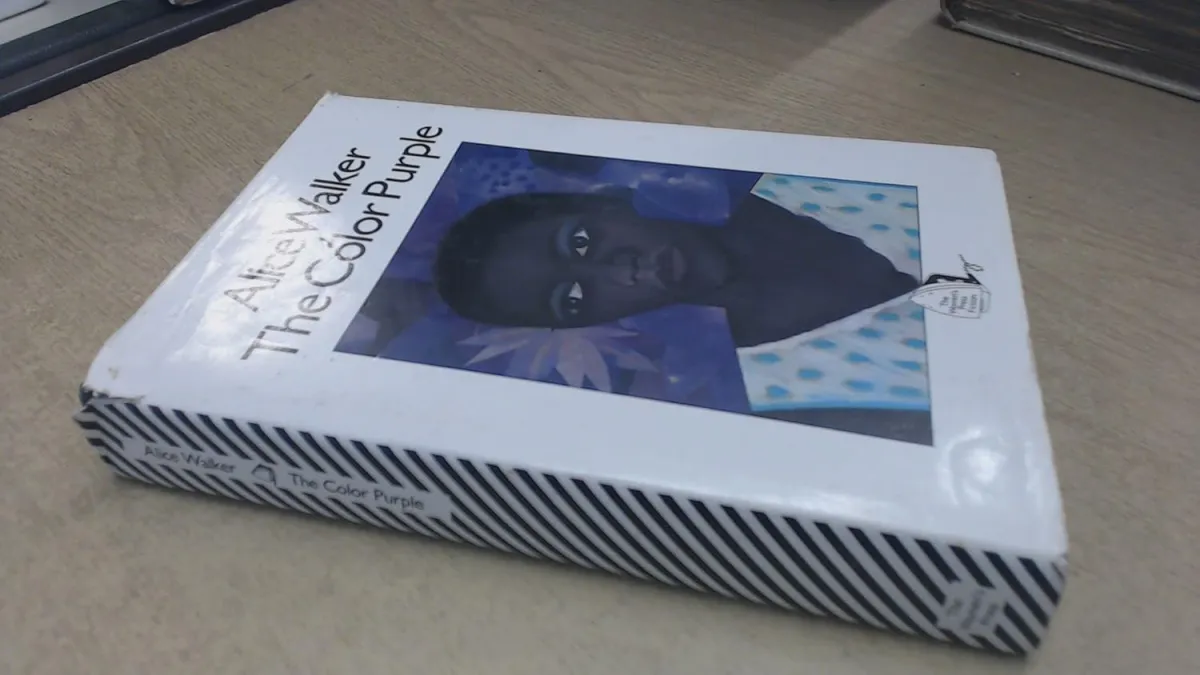 Photo: Alice Walker, via m.media-amazon.com
Sudenly, universities were teaching courses built around Hurston's research. Her folklore collections became foundational texts in American studies programs. Scholars realized that her seemingly simple story-collecting had actually been sophisticated ethnographic work that captured cultural complexity invisible to traditional academic methods.
The Long Echo
Today, Hurston's influence extends far beyond anthropology. Hip-hop artists sample the verbal traditions she documented. Historians use her work to understand how communities preserved identity under oppression. Writers study her techniques for capturing authentic voice and dialect.
Her story reminds us that the most important cultural work often happens outside official institutions. While universities debated theories about American culture, Hurston was on back roads documenting the real thing. Her gravedigger's hands and scholar's mind proved that the deepest truths about who we are often lie buried in the stories we tell when we think nobody important is listening.
Zora Neale Hurston spent her life proving that America's most valuable cultural treasures weren't locked in libraries—they were living in the memories of ordinary people who just needed someone to ask the right questions.