The Art of Deception: How America's Most Notorious Forger Became Its Most Trusted Restorer
The Perfect Crime
For twenty-five years, Ken Perenyi lived a lie so elaborate it would make a Hollywood screenwriter jealous. In his converted garage in New Jersey, surrounded by centuries-old canvases and pigments mixed to 18th-century formulas, he painted masterpieces that never existed — and sold them for millions.
 Photo: Ken Perenyi, via lookaside.instagram.com
Perenyi wasn't your typical art forger. He didn't copy famous paintings that would immediately raise red flags. Instead, he created "lost works" by established masters, paintings that could plausibly have existed but had never been documented. A previously unknown seascape by Martin Johnson Heade. A forgotten still life by James Peale. Works so convincing that Sotheby's, Christie's, and the most respected galleries in America sold them without question.
The FBI spent years trying to catch him. Art experts studied his work under microscopes, searching for telltale signs of modern materials or techniques. They found nothing. Perenyi had become so obsessed with historical accuracy that his forgeries were often more authentic than the originals — painted with period-appropriate pigments, aged with techniques that took decades to perfect, and executed with a technical mastery that few contemporary artists could match.
But the most remarkable part of Perenyi's story isn't how he fooled the art world. It's what happened when they finally caught him.
The Education of a Master Forger
Perenyi's journey into forgery began in the most unlikely place: a legitimate antique shop in New York's Upper East Side. As a teenager in the 1960s, he was fascinated by old paintings, spending hours studying the brushwork and techniques of masters from centuries past. He had no formal training, no art school pedigree, no connections in the gallery world. What he had was an obsessive attention to detail and unlimited time to practice.
While other young people were discovering rock and roll, Perenyi was teaching himself to mix pigments the way Rembrandt did, to prepare canvases using 300-year-old techniques, to age paintings with methods that could fool carbon dating. He read every book on art history he could find, not for academic knowledge but for practical information. Which pigments were available in which centuries? How did different artists prepare their surfaces? What kinds of frames would have been used in specific periods?
His first successful forgery was almost accidental. Working on what he thought was a practice piece, he created a small landscape that an antique dealer mistook for a genuine 19th-century work. The dealer offered him $500 on the spot — more money than Perenyi had ever seen. That moment changed everything. He realized that his obsessive study of historical techniques had given him a skill that was worth more than any legitimate art career could offer.
The Science of Deception
What set Perenyi apart from other forgers was his scientific approach to authenticity. While most art criminals focused on copying existing works, he understood that the real money was in creating convincing "discoveries" — paintings that filled gaps in known artists' catalogues.
He spent months researching each target artist, studying not just their painting style but their life circumstances. Where would they have traveled? What subjects would they have painted? What materials would they have had access to? Perenyi's forgeries weren't just visually convincing — they told plausible stories about their fictional origins.
His studio became a laboratory of historical authenticity. He sourced canvas from European textile mills that still used traditional weaving methods. He ground his own pigments from minerals and plants, following recipes from Renaissance treatises. He aged his paintings using techniques that involved everything from strategic placement near heating vents to careful application of tobacco smoke and coffee stains.
The results were extraordinary. Perenyi's "Heade" seascapes captured not just the artist's style but the specific atmospheric conditions of 1860s New England. His "Buttersworth" marine paintings showed an intimate knowledge of 19th-century ship design that impressed maritime historians. Art experts who examined his work didn't just see skillful copies — they saw paintings that seemed to have lived through the centuries they claimed to represent.
When the Hunter Becomes the Hunted
By the 1990s, Perenyi's success had made him careless. His paintings were appearing at major auctions with increasing frequency, and art historians were beginning to notice patterns. A few too many "lost" works by the same artists. Technical perfection that seemed almost too good to be true. The FBI's Art Crime Team, one of the most sophisticated investigative units in the world, began closing in.
But when they finally confronted Perenyi in 2000, something unexpected happened. Instead of simply prosecuting him, the art world realized they had stumbled upon something unprecedented: a forger whose understanding of historical techniques was deeper than most museum curators', whose eye for period detail was sharper than most art historians', and whose technical skills were better than most contemporary artists'.
The same obsessive attention to detail that had made Perenyi a master criminal also made him uniquely qualified for a different kind of work. Museums and collectors who had spent millions on his forgeries discovered that they needed exactly his expertise to authenticate and restore their legitimate collections.
From Criminal to Curator
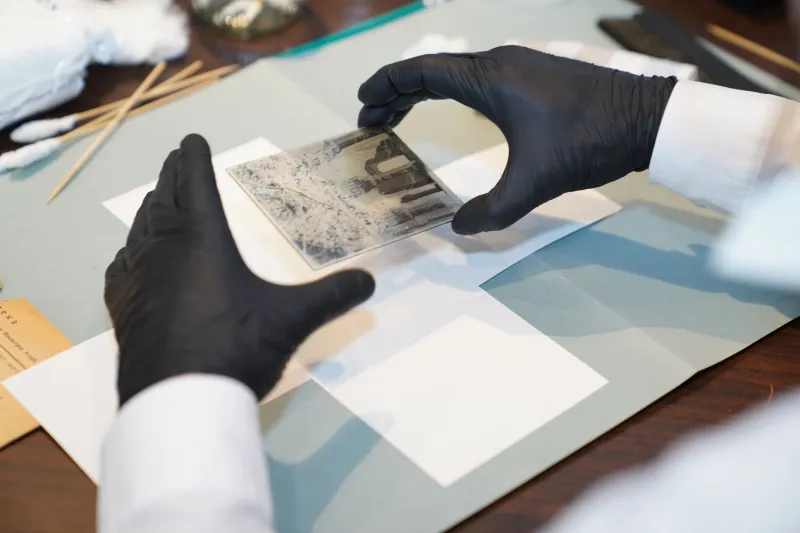
Today, Ken Perenyi works as one of America's most sought-after art conservators and authentication experts. The same hands that once created million-dollar forgeries now restore priceless originals. The same eye that could spot the difference between 18th and 19th-century varnish formulations now helps museums verify the authenticity of works in their collections.
The irony is perfect. The man who spent decades deceiving the art world has become one of its most trusted guardians. His criminal expertise has been transformed into legitimate authority. The skills that once made him art's greatest enemy have made him its most valuable ally.
Perenyi's story reveals something profound about the nature of expertise and redemption. His years as a forger weren't just a criminal career — they were an intensive, if illicit, education in art history, conservation techniques, and authentication methods that no legitimate training could have provided. He learned to see paintings the way their original creators did, to understand not just their surface appearance but their deepest structural secrets.
The Thin Line Between Creation and Preservation
In the end, Perenyi's journey from forger to conservator illustrates how closely related destruction and preservation really are. Both require an intimate understanding of how art is made, how it ages, and how it can be manipulated. The difference lies not in the skills required but in the intentions behind their use.
The art world has learned to embrace this paradox. Museums now regularly consult with reformed forgers, recognizing that criminal expertise can be invaluable for legitimate purposes. The same techniques used to create convincing fakes can be used to detect them. The same obsessive attention to historical detail that makes a great forger also makes a great conservator.
Ken Perenyi's story is ultimately one of transformation — proof that even the most unlikely backgrounds can lead to legitimate success. His criminal genius became cultural preservation. His eye for deception became a tool for truth. And his decades of fooling the art world prepared him to serve it in ways that no conventional education ever could have.
Sometimes the best way to understand something is to first learn how to destroy it. In Perenyi's case, learning to fake art taught him how to save it.