The Farm Boy Who Built Hollywood: How One Overlooked Stagehand Invented the Way Every Movie Gets Made
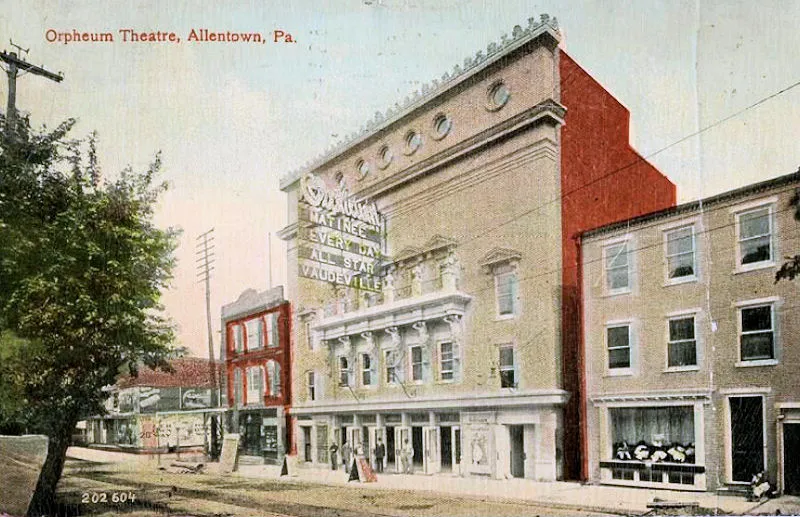
Photo: Unknown authorUnknown author, Public domain, via Wikimedia Commons
The Guy Nobody Cast
If you were assembling a list of people least likely to reshape American culture, a perpetually broke theater hand from rural Kansas would rank somewhere near the bottom. Thomas Ince didn't have the looks for leading roles, the connections for supporting ones, or the resources to wait around hoping someone would notice him. What he had was time, frustration, and an unusually practical mind.
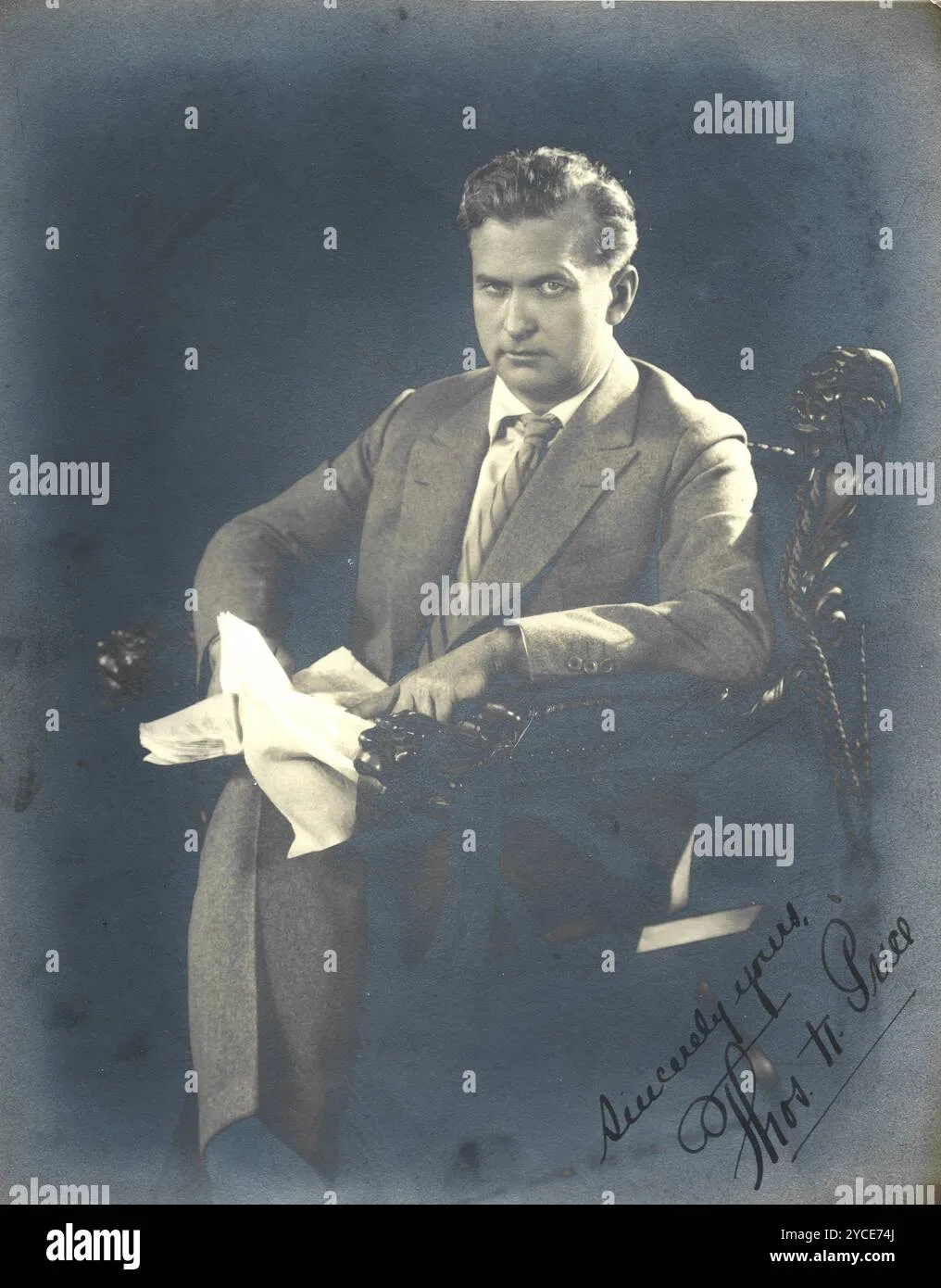 Photo: Thomas Ince, via c8.alamy.com
In the early 1910s, the American film industry was barely an industry at all. It was more of a controlled experiment — a collection of ambitious, chaotic enterprises run by people who were making up the rules as they went. Directors improvised on set. Scripts, where they existed, were suggestions. Budgets were aspirational fictions. Nobody really knew how movies were supposed to get made because nobody had ever made them at scale before.
Ince walked into that vacuum and, almost by accident, built the architecture that would define Hollywood for the next century.
A Career Built on Being Passed Over
Before film, Ince had tried theater. He'd worked as a stagehand, as a bit player, as the kind of background presence that directors look straight through when scanning a room for talent. He wasn't talentless — he was simply unremarkable in a field that rewarded the remarkable, and he knew it.
What he was good at, it turned out, was watching. He watched how productions fell apart when nobody planned them. He watched directors waste entire shooting days because they hadn't figured out what they needed before the cameras rolled. He watched money disappear into chaos and emerge as something considerably less than what anyone had hoped for.
When he finally got a chance to direct — through a combination of persistence and the industry's chronic shortage of anyone willing to do the job — he didn't approach it the way his contemporaries did. He approached it the way a man who'd spent years watching things go wrong might approach it: by trying to prevent the disasters before they happened.
The Document That Changed Everything
The shooting script sounds mundane. It is, in practice, one of the most powerful organizational tools in the history of American commerce.
Before Ince, films were made from rough outlines — sometimes just verbal descriptions of what a director intended to capture. The result was predictable: inconsistency, waste, and a finished product that often bore little resemblance to whatever had been originally conceived. Actors didn't know their lines because there were no lines to know. Crew members didn't know what equipment to bring because nobody had told them what scenes were being shot.
Ince changed that by insisting that every film his operation produced begin with a complete, detailed written script — one that specified dialogue, action, camera direction, and continuity from the first scene to the last. Directors working under him were expected to follow it. Deviations required his approval. The script wasn't a suggestion; it was a blueprint.
The effect was immediate and dramatic. Productions ran faster. Costs dropped. The finished films were more coherent. And crucially, Ince could oversee multiple productions simultaneously because each one was operating from a document he had already approved, rather than from the improvised instincts of whoever happened to be holding the camera that day.
Inceville and the Factory of Dreams
By 1912, Ince had established a production facility on the California coast that his admirers called Inceville — a sprawling complex that functioned less like a creative studio and more like a well-organized manufacturing operation. It had standing sets, a permanent crew, a stable of contracted actors, and — crucially — a production schedule that treated film shoots the way a factory floor treats shift work.
This was genuinely radical. The romantic notion of filmmaking as pure artistic expression had no place in Ince's system. He wasn't hostile to artistry, but he understood that artistry without structure was just expensive chaos. His genius was in creating the conditions under which creative work could happen reliably, repeatedly, and at a cost that made commercial sense.
The division of labor he introduced — separating the functions of producer, director, writer, and technical crew into distinct, specialized roles — is so fundamental to how films are made today that it's almost impossible to imagine the industry without it. Before Ince, one person often tried to do all of those things at once. After him, the idea seemed obviously absurd.
The Invisible Architect
Ince died in 1924 under circumstances that remain genuinely mysterious — a suspicious death aboard William Randolph Hearst's yacht that was never fully explained and never fully prosecuted. He was 42 years old, at what should have been the height of his influence.
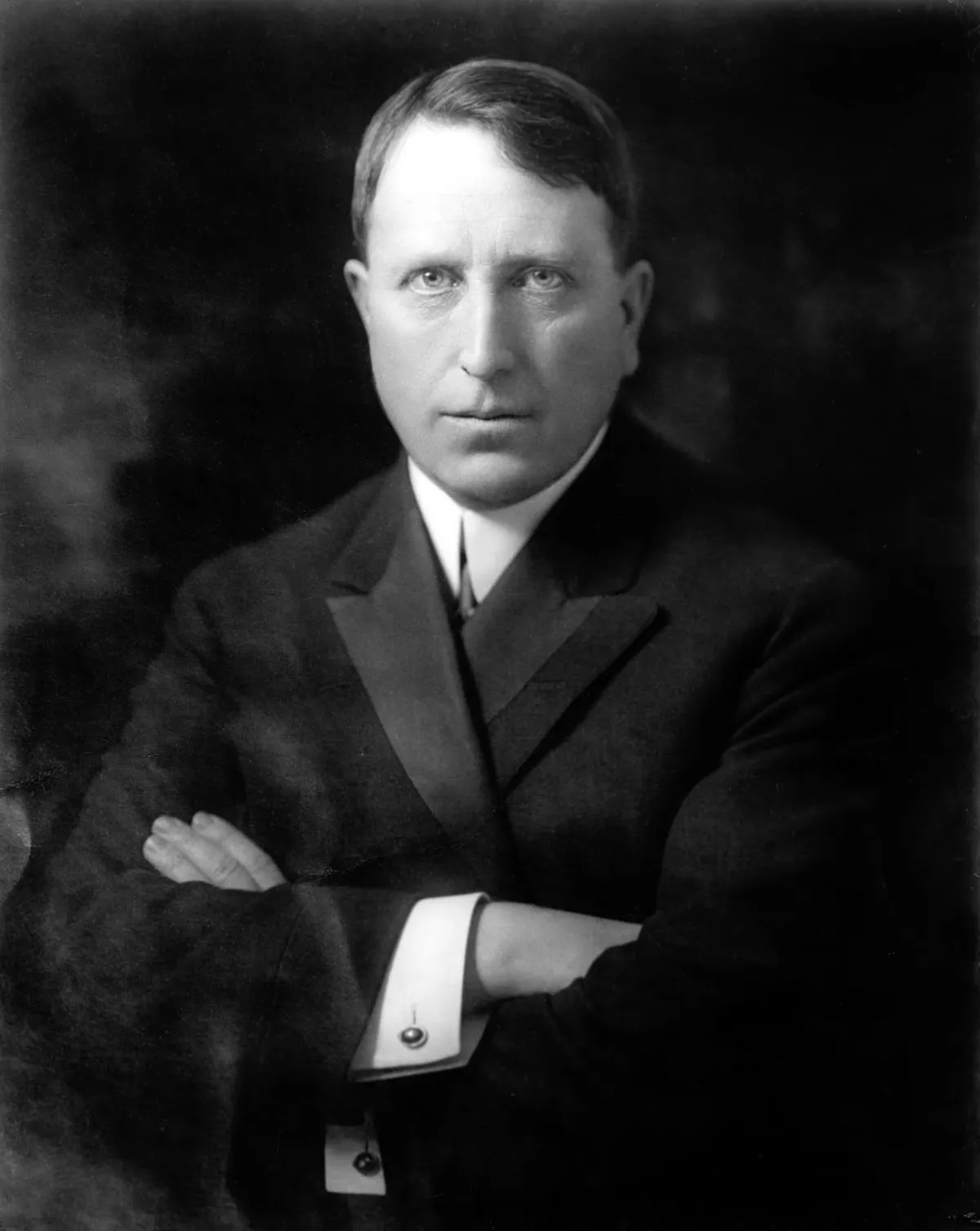 Photo: William Randolph Hearst, via upload.wikimedia.org
History has not been particularly kind to his memory, partly because his death was overshadowed by rumor and scandal, and partly because the things he invented were structural rather than artistic. You can point to a Chaplin film and say: this is what Chaplin made. You cannot easily point to a shooting schedule and say: this is what Ince made. The infrastructure is invisible by design.
But every film produced in Hollywood today — every $200 million blockbuster, every indie drama shot on a shoestring, every streaming series cranked out to meet a quarterly deadline — runs on a system that Thomas Ince assembled from scratch because nobody would give him an acting job.
Necessity, as it turns out, doesn't just mother invention. Sometimes it builds an entire industry around it.
What Failure Actually Builds
There is a version of the Thomas Ince story that frames his early rejection as tragedy — the talented man overlooked, forced into the margins. But that framing misses the point entirely.
The margins were where he learned everything that mattered. The years of watching productions fail gave him a diagnostic understanding of the industry that no amount of success could have provided. His exclusion from the spotlight forced him to pay attention to the machinery behind it — and the machinery, as it turned out, was where the real power lived.
Hollywood remembers its stars. It forgets, with remarkable consistency, the people who built the stages they stand on. Thomas Ince built more stages than almost anyone. That he's not a household name says less about his importance than it does about the stories we choose to tell.