Laughed Out of the Room and Into the History Books: Robert Mondavi's Improbable Vintage
Laughed Out of the Room and Into the History Books: Robert Mondavi's Improbable Vintage
In the early 1960s, if you told a serious wine drinker in New York or Chicago that California was going to produce something worth importing to France, they would have laughed you out of the conversation. California wine meant cheap table wine, jugs sold by the gallon at grocery stores, something you drank when you couldn't afford the real thing. The idea that a dusty stretch of Napa Valley farmland would one day challenge the great châteaux of Bordeaux wasn't just ambitious — it was embarrassing to even say out loud.
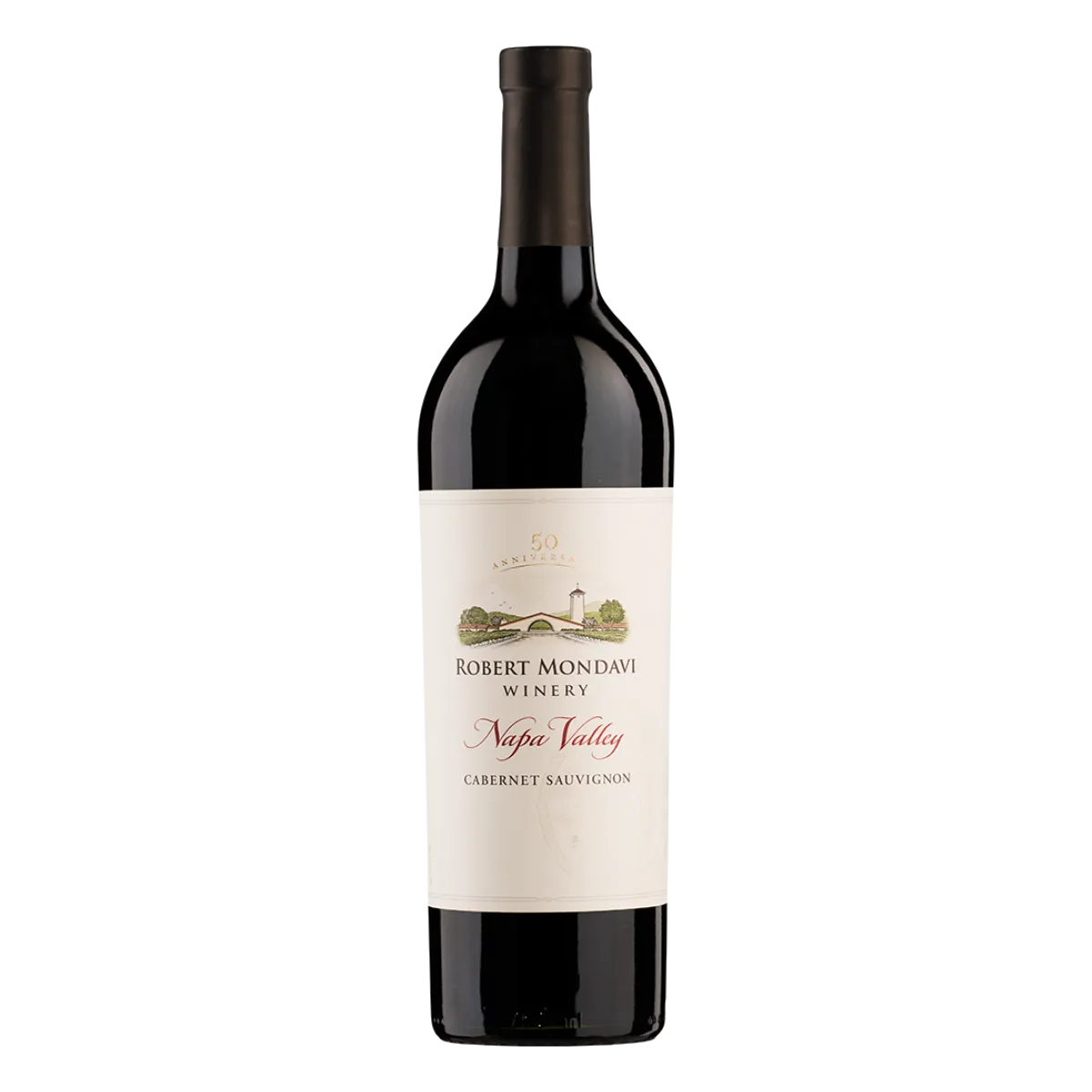 Photo: Robert Mondavi, via cdn.8wines.com
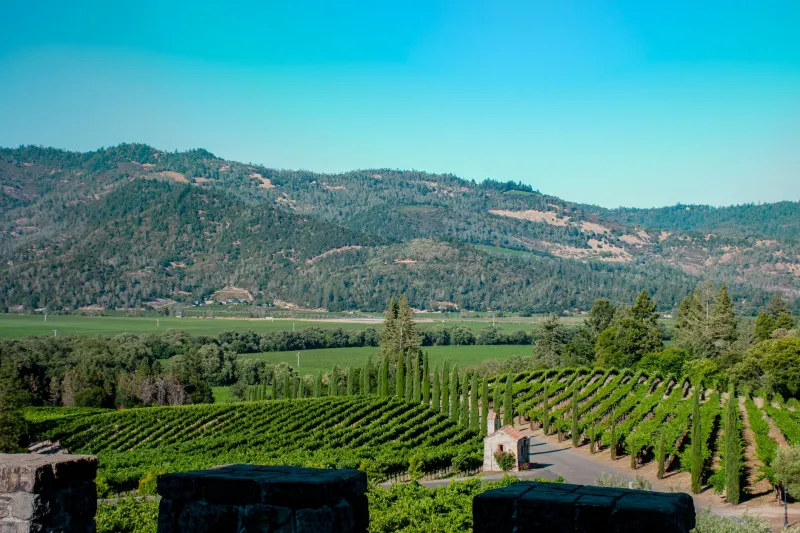
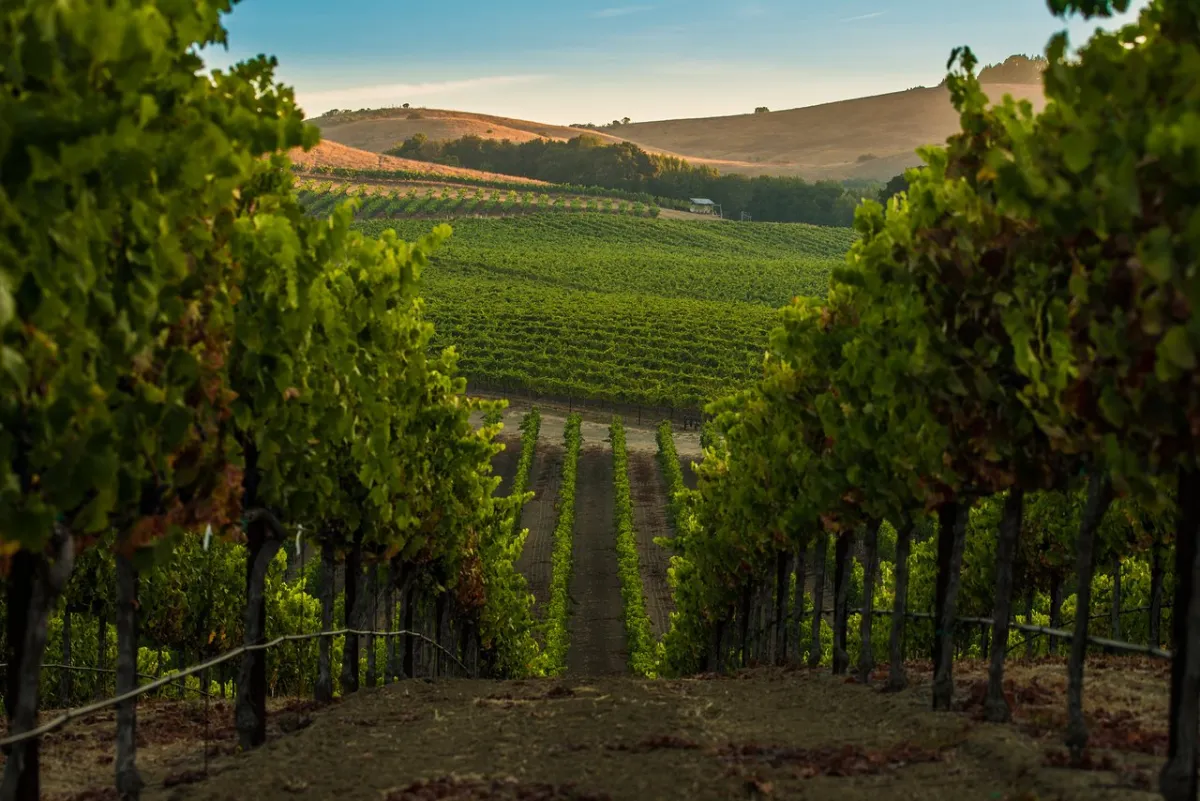 Photo: Napa Valley, via media-cdn.tripadvisor.com
Robert Mondavi said it out loud anyway. For years, that got him laughed at. Eventually, it changed everything.
Grapes and Groceries
Mondavi's story starts in the mining town of Virginia, Minnesota, where his parents, Cesare and Rosa, had emigrated from the Marche region of Italy. Cesare ran a saloon and a small grocery business, and when Prohibition arrived and gutted the saloon trade, he pivoted to shipping wine grapes to Italian immigrant families across the Midwest who were legally allowed to make small amounts of wine at home.
It was a practical hustle, not a romance. But it took root. In 1923, Cesare moved the family to Lodi, California, closer to the grape-growing regions, and slowly built a fruit-shipping operation. By the time Robert was finishing his business degree at Stanford in the mid-1930s, the family had shifted again — this time into wine production itself, eventually purchasing the Charles Krug Winery in Napa Valley in 1943.
For nearly two decades, Robert threw himself into the business. He traveled to Europe, visited French and Italian producers, tasted obsessively, and came back convinced that California had the soil, the climate, and the potential to produce wines that could stand alongside the world's best. His family, focused on the practical business of selling affordable wine to a mass market, largely thought he was getting above himself.
The tension simmered for years. Then it exploded.
The Coat and the Fallout
The precise details of the falling-out between Robert and his younger brother Peter have been told and retold, often with embellishment. What's clear is that a dispute — reportedly beginning over a mink coat Robert purchased for his wife and charged to the company — escalated into a physical confrontation and a full family rupture. In 1965, Robert was effectively pushed out of the Charles Krug operation.
He was in his early fifties. He had spent his prime years building a business that no longer wanted him. His family had chosen sides, and most of them hadn't chosen his. In the wine world, where reputation and relationships are everything, the public nature of the humiliation was brutal.
A lot of people would have found something quieter to do.
Mondavi went and built a winery.
A Mission Statement in Adobe and Oak
In 1966, Robert Mondavi opened the Robert Mondavi Winery in Oakville, California — the first major new winery built in Napa Valley since Prohibition. The design, with its distinctive Mission-style arch, was a statement of intent. This wasn't a shed with a fermenting tank. This was a declaration that California wine deserved to be taken seriously.
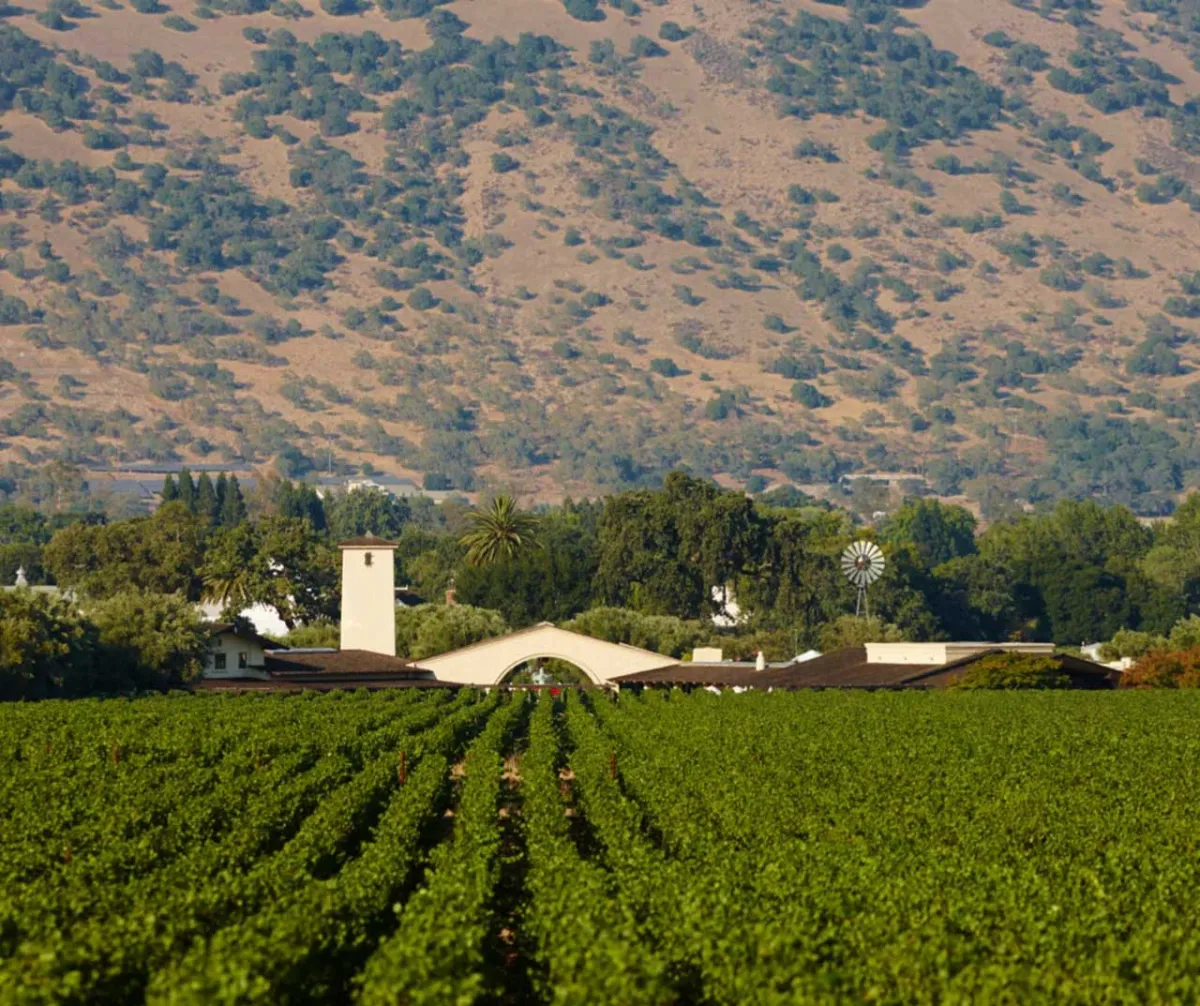 Photo: Robert Mondavi Winery, via bestwineries.com
He was working with borrowed money, a damaged reputation, and a market that hadn't asked for what he was selling. He hired talented winemakers, invested in the best equipment available, and began experimenting with techniques borrowed from his European travels — extended maceration, new French oak barrels, temperature-controlled fermentation. He also did something almost nobody in the California wine business was doing: he talked about what he was making.
Mondavi was a natural communicator, exuberant and specific in a way that the reserved, old-guard wine world found slightly unseemly. He invited journalists to the winery, hosted dinners, gave tastings, explained his philosophy in plain language. He believed that wine wasn't a luxury for the initiated — it was something any American could learn to appreciate, and his job was to teach them.
The critics came around slowly. The consumers came faster.
The Judgment That Changed the Argument
The moment that crystallized everything happened in Paris in 1976. A British wine merchant named Steven Spurrier organized a blind tasting — French judges, French wines, and a handful of California bottles included almost as an afterthought. The results stunned the wine world: California wines, including a Napa Valley Cabernet Sauvignon, topped the rankings in both the red and white categories.
Mondavi's winery wasn't directly represented, but the producers who won had learned from the same movement he had helped build. The "Judgment of Paris," as it came to be known, validated everything he had been saying for a decade in rooms where people had politely changed the subject.
Napa Valley was no longer a punchline. It was a destination.
What Getting Pushed Out Actually Built
It would be tidy to say that Robert Mondavi succeeded because of his talent alone. But the sharper truth is that the family rupture gave him something talent alone couldn't: total freedom. At Charles Krug, he had been operating inside a family consensus that valued stability over ambition. Once he was out, there was no one to overrule him, no compromise to make, no cautious older brother to talk him down from his bigger ideas.
The humiliation burned, but it also cleared the deck. Every decision at the Robert Mondavi Winery was his — the grape varieties, the winemaking approach, the marketing strategy, the architectural choices, the partnerships. He could afford to be obsessive because there was no committee to satisfy.
He also understood something that most industry insiders missed: the American consumer wasn't the obstacle. They were the opportunity. Americans drank beer and spirits because nobody had ever made wine feel accessible to them. Mondavi set out to change that, one dinner party, one tasting room visit, one approachable label at a time.
The Vintage That Keeps Giving
Robert Mondavi lived to ninety-four, long enough to see Napa Valley become one of the most recognized wine regions in the world, long enough to watch the industry he helped build generate billions of dollars and attract producers from every corner of the globe.
He also lived long enough to see his own company go through turbulent times — a public offering, a sale to a larger conglomerate, the complicated arithmetic of a family business grown too big for its original walls. History, it turns out, has a sense of irony.
But the transformation he drove is permanent. The American wine drinker who casually picks up a bottle of Napa Cabernet today, who assumes without thinking that it might be as good as anything from Bordeaux, is the direct inheritor of a bet Mondavi made in a converted cow pasture with borrowed money and something to prove.
Being laughed out of the room, it turns out, was the best thing that ever happened to him. And to the rest of us.