Grapes of Wrath, Grapes of Gold: How a Bootlegger's Underground Empire Became the Soul of Napa Valley
The Education Nobody Advertised
There is a particular kind of knowledge that only comes from doing something you're not supposed to do. Giorgio Martini acquired his in the back of unmarked trucks, in root cellars that smelled of fermented fruit and damp earth, and in the company of men who never wrote anything down if they could help it.
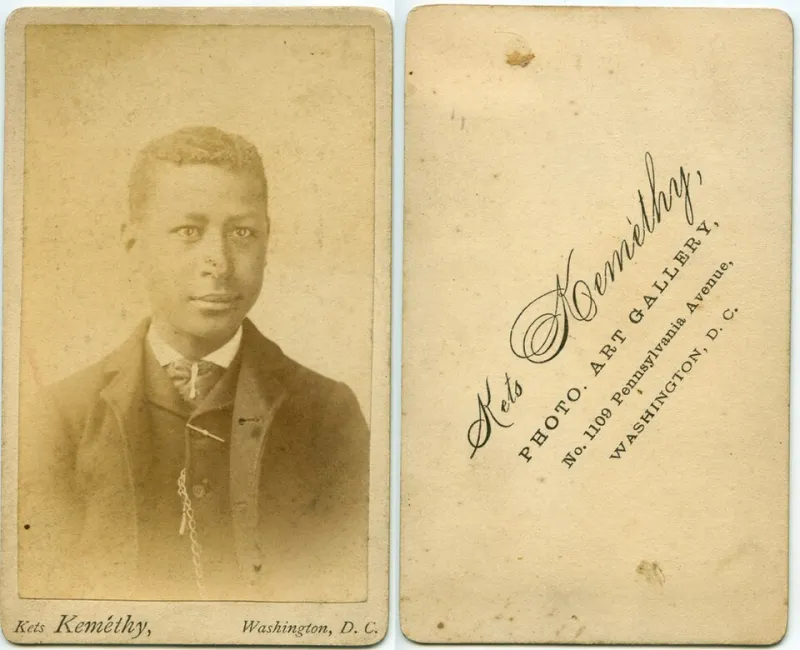
 Photo: Giorgio Martini, via img.getdailyart.com
During the thirteen years that Prohibition reshaped American life, Martini wasn't sitting idle waiting for the law to change. He was building an education. A network. A future — even if he didn't know it yet.
His story sits at the intersection of crime and culture, and it's one of the more unusual origin stories in American agricultural history. Because the man who would help plant the roots of California's wine country didn't arrive there through a viticulture program or a wealthy family's vineyard. He arrived through a side door that most people were too respectable to use.
California Before the Grapes
When the Eighteenth Amendment took effect in January 1920, it didn't eliminate America's appetite for wine. It just changed who supplied it.
California's Central Valley and the hills around Napa were already producing wine grapes before Prohibition — legitimate operations that had taken decades to establish. The law didn't kill those vineyards outright. In fact, it created a loophole that kept them alive: households were permitted to produce up to 200 gallons of non-intoxicating fruit juice per year. Nobody seriously believed fermented grape juice wasn't wine, but the exemption was there, and the grape growers used it.
What that loophole created was a shadow economy. Grapes still needed to be grown, harvested, transported, and sold. The difference was that now, the distribution chain ran underground.
Martini — a first-generation Italian American with deep family roots in winemaking tradition — understood that chain better than almost anyone. He knew which varietals fermented cleanly, which grape-growing regions produced the most reliable fruit, and which growers could be trusted to deliver on time and stay quiet about it. He built relationships across the California wine country that were, in their own way, as sophisticated as anything a legitimate importer might construct.
He just couldn't put any of it on a business card.
The Repeal That Changed Everything
When Franklin Roosevelt signed the Cullen-Harrison Act in March 1933 and Prohibition began its unwinding, the American wine industry faced an almost comical problem: it had been illegal for so long that almost no one left knew how to run it properly.
Distilleries scrambled. Wineries that had survived making sacramental wine or grape juice were suddenly expected to produce commercial-quality product at scale. Investors who had never touched a grape vine were throwing money at California real estate. The chaos was enormous.
Martini wasn't scrambling. He already had his suppliers. He already had his distribution contacts. He already knew, with unusual precision, which plots of land in Napa produced fruit worth betting on. While competitors were reading books and hiring consultants, he was converting a decade of underground commerce into a legal enterprise almost overnight.
The winery he established in the years immediately following repeal wasn't just a business — it was the physical expression of everything he'd learned in the shadows. And the knowledge he brought to it was irreplaceable.
What the Shadows Actually Taught
It would be easy to romanticize the bootlegger-turned-vintner story as pure American hustle. But there's something more specific worth noting about what Martini's underground years actually gave him.
First, relationships. The growers he'd worked with during Prohibition trusted him in a way that no newcomer could replicate. Trust built under pressure, under legal risk, is a different and more durable thing than trust built over a handshake at a trade show.
Second, terroir knowledge — the understanding of how specific soils and microclimates affect grape character — that he had accumulated not through formal study but through years of tasting, comparing, and making decisions based on what he found in the fruit. His palate was calibrated by necessity.
Third, and perhaps most importantly, he understood the economics of the business from the ground up. He knew what grapes cost to grow, what they cost to move, and what customers would pay for the finished product. That kind of end-to-end financial literacy is rare, and it gave him a structural advantage that no amount of startup capital could easily replicate.
A Legacy Built on Unconventional Ground
The wine culture that eventually emerged in Napa Valley — the one that would produce Robert Mondavi, the Paris Tasting of 1976, and an industry that today generates billions of dollars annually — didn't grow from nothing. It grew from soil prepared by people like Martini, who had spent years doing unglamorous, legally questionable work that happened to teach them everything they needed to know.
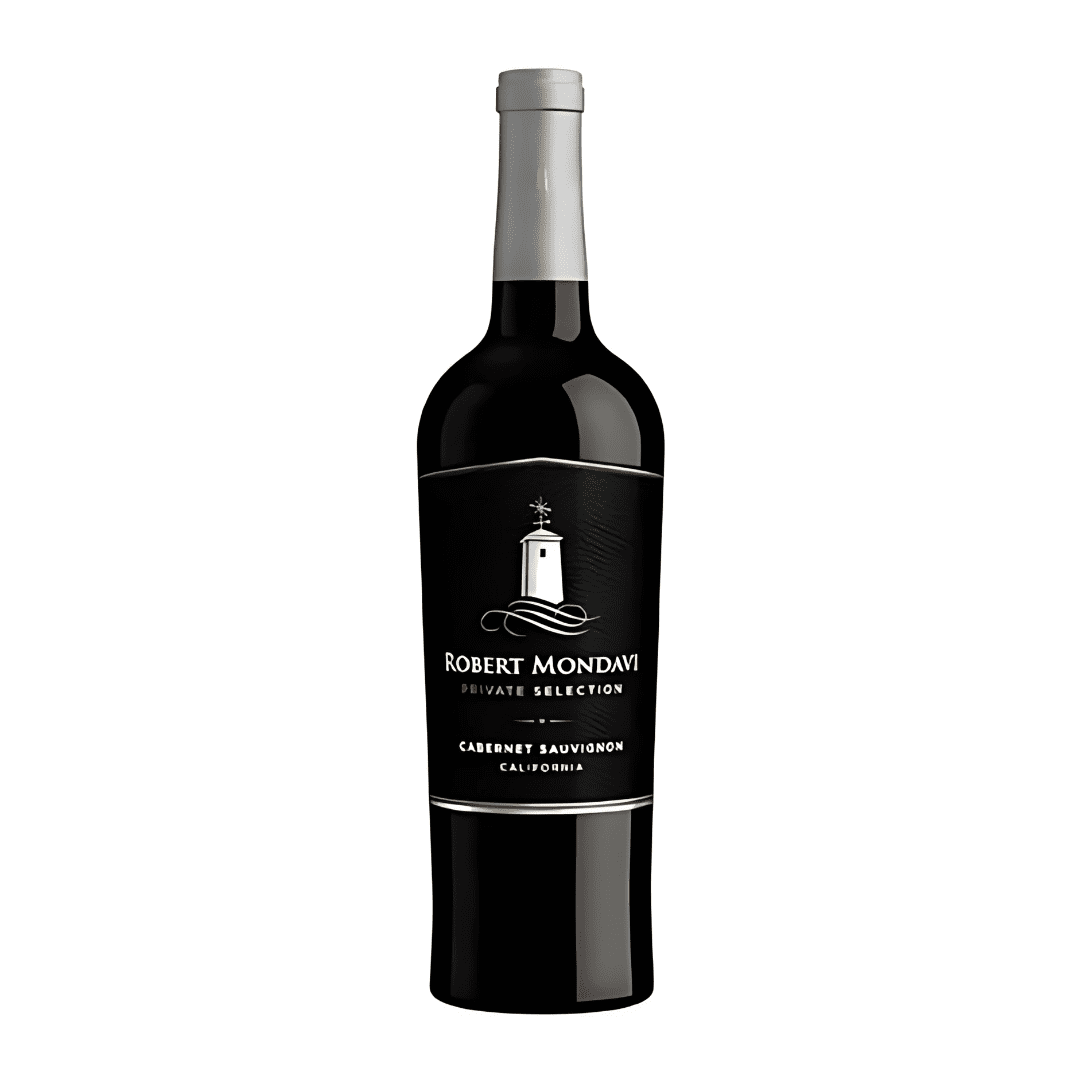 Photo: Robert Mondavi, via winedutyfree.com
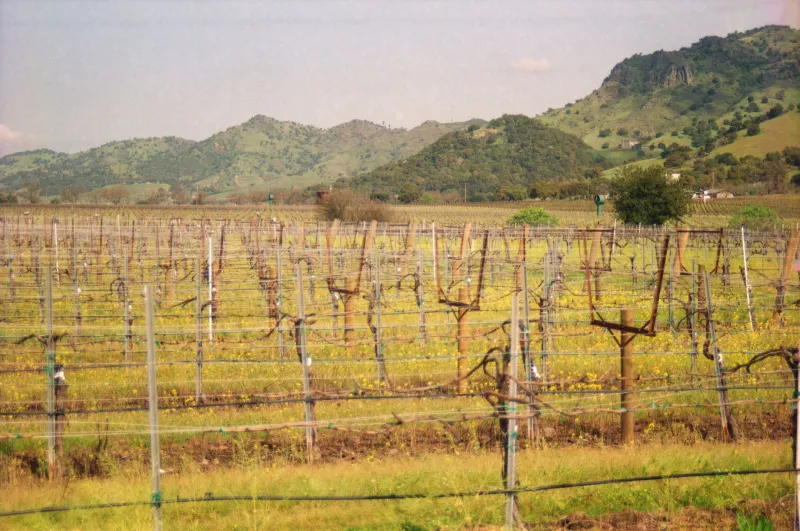
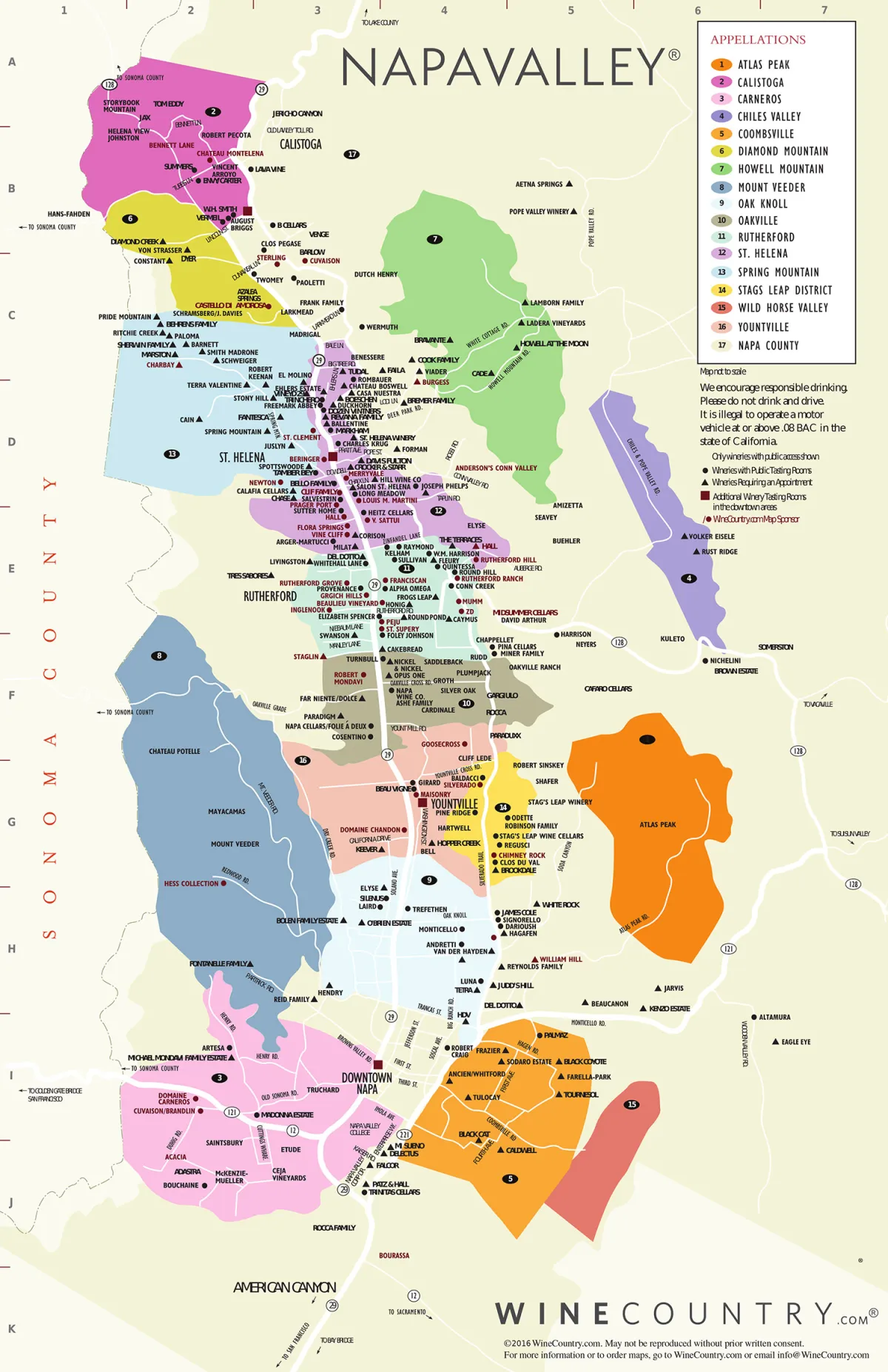 Photo: Napa Valley, via s3.amazonaws.com
There's a broader lesson embedded in that history, one that doesn't get told often enough. The most valuable expertise isn't always acquired in the most respectable classrooms. Sometimes it accumulates in the margins — in the spaces where people are solving real problems under real pressure, without the luxury of theory or institutional support.
Martini's winery wasn't a redemption story in the Hollywood sense. He didn't dramatically renounce his past or perform contrition for the cameras. He simply took what he knew and applied it somewhere the law now allowed. The knowledge didn't change. The context did.
And that, in the end, is what made Napa Valley possible — not just the sunshine and the soil, but the stubborn, complicated, occasionally criminal human beings who understood both before anyone else thought to look.