From Peanuts to Prosperity: How a Former Slave's Basement Lab Fed the American South
The Scientist Nobody Saw Coming
In 1896, a thin man with calloused hands walked into Booker T. Washington's office at Tuskegee Institute carrying everything he owned in a cardboard suitcase. George Washington Carver had just accepted a teaching position that paid $1,500 a year — decent money, but he'd turned down offers worth twice as much from prestigious universities. Washington had promised him something money couldn't buy: a chance to save the American South from agricultural collapse.
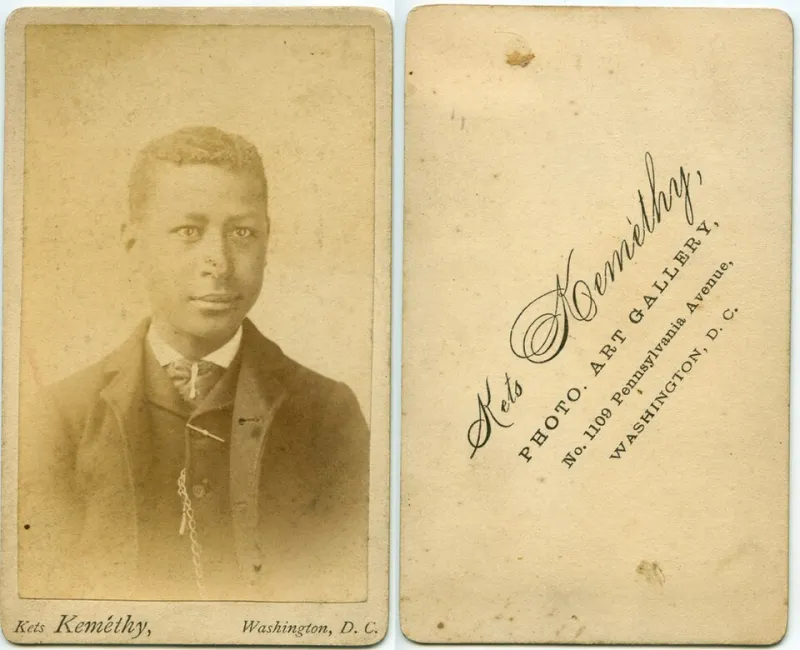
 Photo: Booker T. Washington, via plammie.com
 Photo: Tuskegee Institute, via i0.wp.com
 Photo: George Washington Carver, via moto.zombdrive.com
Carver found exactly what he'd expected at Tuskegee: no laboratory, no equipment, and students who'd never seen a microscope. What he didn't expect was how this limitation would force him to become the most practical scientist in American history.
Building Science From Scraps
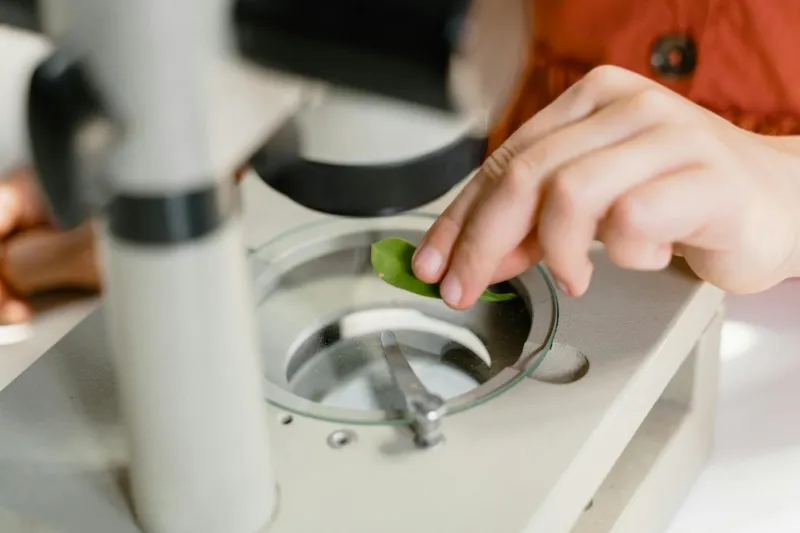
Most researchers of Carver's era worked in sterile laboratories with the latest German equipment. Carver built his lab from junk. Students scoured local dumps for bottles, cans, and wire. He fashioned a centrifuge from a hand-cranked egg beater, created microscopes from discarded lenses, and turned fruit jars into beakers. When the agricultural department needed a building, Carver and his students literally built it themselves, mixing mortar and laying bricks between botany lessons.
This wasn't poverty science — it was revolutionary science. While his contemporaries isolated themselves in ivory towers, Carver worked directly with farmers who couldn't afford to fail. Every experiment had to solve a real problem for people who measured success in bushels per acre, not academic citations.
The Cotton Crisis
By 1900, the South faced an agricultural apocalypse. Decades of cotton monoculture had stripped the soil of nutrients, leaving vast stretches of once-fertile land barely able to grow weeds. The boll weevil invasion was destroying what remained of the cotton crop. Farmers were going bankrupt, and sharecroppers were fleeing to Northern cities.
Carver saw the crisis differently than most experts. While agricultural scientists focused on fighting the boll weevil, Carver asked a simpler question: why were Southern farmers so dependent on a single crop that was killing their land?
The Peanut Prophet
Carver's answer was crop rotation, but he needed to convince farmers to plant something other than cotton. That something turned out to be peanuts, sweet potatoes, and soybeans — crops that actually improved soil health while growing.
The problem was economic: farmers couldn't eat peanuts all year, and there wasn't much market for surplus crops. So Carver did what no agricultural scientist had ever done — he became a product developer. Working in his improvised lab, he created 300 different uses for peanuts, from cooking oil to printer's ink to soap. He developed 118 uses for sweet potatoes, including flour, vinegar, and rubber substitute.
Each innovation solved a practical problem. When farmers complained that sweet potato flour went bad too quickly, Carver developed a preservation method. When they needed cheap livestock feed, he showed them how to turn peanut hulls into nutritious meal. When they wanted to add value to their crops, he taught them to make peanut butter in their own kitchens.
The Traveling Teacher
Carver didn't wait for farmers to come to him. In 1906, he loaded a wagon with equipment and seeds and started making monthly trips through rural Alabama. His "movable school" brought modern agricultural techniques directly to farmers' fields.
These weren't formal lectures. Carver would spend entire days working alongside farmers, testing soil, examining crops, and solving specific problems. He spoke their language, literally and figuratively. Where other scientists talked about nitrogen fixation, Carver explained how planting peanuts would "put dinner back in the dirt."
The impact was immediate and measurable. Counties that adopted Carver's methods saw crop yields increase by 300% within five years. More importantly, farmers learned to see their land as a living system rather than a resource to exploit.
Beyond the Laboratory
Carver's influence extended far beyond agriculture. His approach to science — practical, accessible, and focused on solving real problems — challenged the academic establishment. He proved that groundbreaking research could happen anywhere, with any equipment, as long as the scientist understood the actual needs of actual people.
His students carried these lessons across the South and beyond. They became county agents, teachers, and farmers who continued spreading Carver's methods long after his death in 1943. Many of the sustainable farming practices now considered cutting-edge trace their roots back to techniques Carver developed in his makeshift lab.
The Quiet Revolution
By the 1920s, peanuts had become one of the South's major cash crops. Sweet potatoes were feeding families and livestock across the region. Farmers were rotating crops as a matter of course, and the soil was recovering from decades of abuse.
Carver never patented his innovations or profited from the agricultural revolution he'd started. When Henry Ford offered him a fortune to work in Detroit, Carver declined. His calling, he said, was to serve "the man farthest down" — farmers who needed science that worked in the real world, not just on paper.
Today, as American agriculture grapples with soil depletion, climate change, and sustainability, Carver's core insight remains radical: the best science doesn't come from isolation but from working directly with the people who need solutions most. Sometimes the most transformative laboratories are built not with grants and equipment, but with curiosity, determination, and a willingness to get your hands dirty.