Routes to Wisdom: How America's Most Influential Self-Help Guide Was Born on a Milk Truck

The University of Hard Knocks
Dale Carnegie's milk route through rural Missouri wasn't just a job—it was a moving laboratory in human nature. Every morning before dawn, he'd load his truck with bottles and set off through farmland that stretched to the horizon. By the time most people were having their first cup of coffee, Carnegie had already encountered a dozen different personalities, each with their own struggles, dreams, and ways of seeing the world.
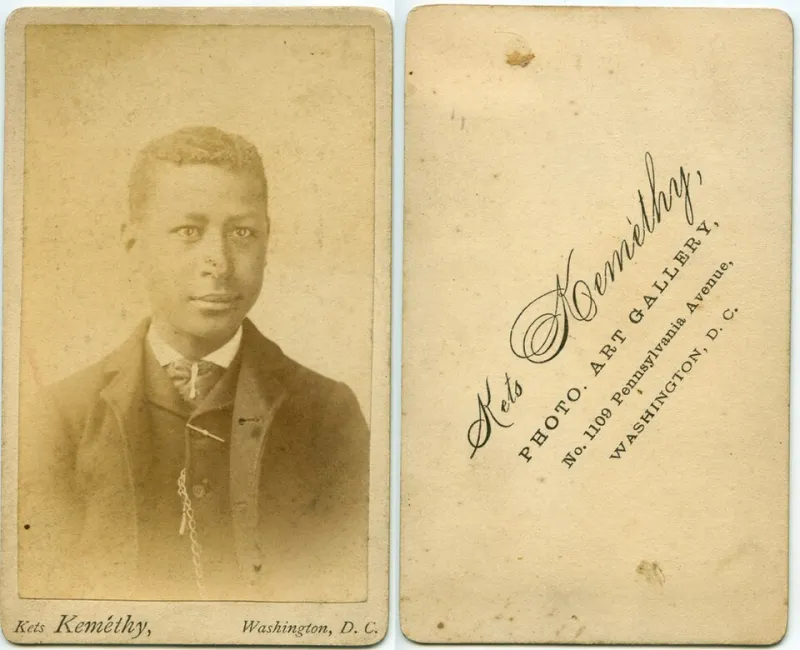
 Photo: Dale Carnegie, via img.freepik.com
This wasn't the career path anyone expected for a farmer's son who'd briefly attended teacher's college. But those pre-sunrise conversations with farmers, shopkeepers, and housewives would eventually teach Carnegie more about human psychology than any textbook ever could. While future academics studied people from a distance, Carnegie learned about them up close, one delivery at a time.
The irony wouldn't become clear until decades later: the man who would write the most influential book on winning friends and influencing people first had to learn how to talk to anyone at all.
Failure as a Teacher
Carnegie's early career reads like a catalog of American disappointments. After the milk route came a stint selling correspondence courses for farmers—a job that ended when the company went bankrupt. Then he tried selling bacon, soap, and lard for Armour & Company, traveling through the Midwest with a sample case and a desperate need to make quota.
Each failure taught him something crucial about human motivation. Farmers didn't buy correspondence courses because they were intellectually curious—they bought them because they wanted to feel smarter than their neighbors. Housewives didn't choose soap based on chemical composition—they chose it based on how it made them feel about themselves.
These weren't insights you could gain from studying psychology in a university library. They required the kind of repeated rejection that only comes from trying to convince strangers to buy things they're not sure they need.
The YMCA Revelation
By 1912, Carnegie had washed out of enough sales jobs to know he wasn't cut out for traditional business. Broke and discouraged, he approached the YMCA in New York City with a desperate proposal: let him teach a course on public speaking, and he'd work for free. The only catch was that he wanted a percentage of any profits if the class succeeded.
 Photo: New York City, via wallup.net
The YMCA manager, probably figuring he had nothing to lose, agreed to let Carnegie use a classroom after hours. What happened next would change both their lives—and eventually, the lives of millions of readers.
Carnegie's first students were exactly the kind of people he'd met on his milk route and sales calls: working-class Americans who needed to speak up at town meetings, ask for raises, or simply feel more confident in social situations. They weren't looking for academic theories about communication—they wanted practical advice that worked in real life.
The Democracy of Anxiety
What Carnegie discovered in that borrowed YMCA classroom was revolutionary: everyone was terrified of the same things. The successful businessman and the struggling clerk both worried about being judged. The confident-seeming housewife and the nervous farmer both feared saying the wrong thing in public.
This insight became the foundation of everything Carnegie would later write. Unlike the academic psychologists of his era, who focused on pathology and dysfunction, Carnegie recognized that most people's problems weren't clinical—they were simply human. Everyone wanted to feel important. Everyone feared rejection. Everyone struggled with confidence.
These weren't profound philosophical discoveries. They were obvious truths that became profound only because most experts were too removed from ordinary life to notice them.
From Classroom to Bestseller
Carnegie's YMCA classes grew so popular that he had to move to larger venues. Students brought friends, who brought their friends, who brought their friends. Word spread through New York's working-class neighborhoods that a former milkman was teaching people how to overcome their deepest fears.
The techniques Carnegie developed weren't based on academic research—they emerged from watching real people practice real skills in real situations. He saw which approaches worked and which didn't. He learned that most people responded better to encouragement than criticism, to specific examples than abstract principles, to practical exercises than theoretical discussions.
When publishers finally convinced Carnegie to turn his course into a book, he simply wrote down what he'd been teaching for years. "How to Win Friends and Influence People" wasn't a work of original psychology—it was a field guide to lessons he'd learned from thousands of students who'd learned them from millions of everyday interactions.
The Wisdom of the Ordinary
Carnegie's greatest insight wasn't about psychology or communication—it was about the value of paying attention to ordinary people living ordinary lives. While academics studied human behavior from ivory towers, Carnegie learned about it from people who couldn't afford to hide behind professional credentials or theoretical frameworks.
His milk route customers taught him that everyone has a story worth hearing. His failed sales calls showed him that people make decisions with their hearts, not their heads. His YMCA students proved that most psychological problems aren't mysterious disorders—they're common challenges that can be addressed with common sense and uncommon persistence.
The Lasting Revolution
Today, Dale Carnegie's name appears on institutes and training programs around the world. His book has sold millions of copies in dozens of languages. But the real revolution he started wasn't about self-help or personal development—it was about taking ordinary people seriously.
Carnegie proved that the most valuable insights about human nature don't come from laboratories or lecture halls. They come from paying attention to the people you meet every day: the customers who buy your products, the neighbors who attend your meetings, the strangers who share your struggles.
His story reminds us that wisdom isn't something you achieve—it's something you notice. And sometimes the best classroom is a milk truck, rolling through the American heartland before sunrise, carrying lessons that will last a lifetime.