Threads of Determination: The Syrian Dishwasher Who Redefined American Style
From Sudsy Water to Silk Ties
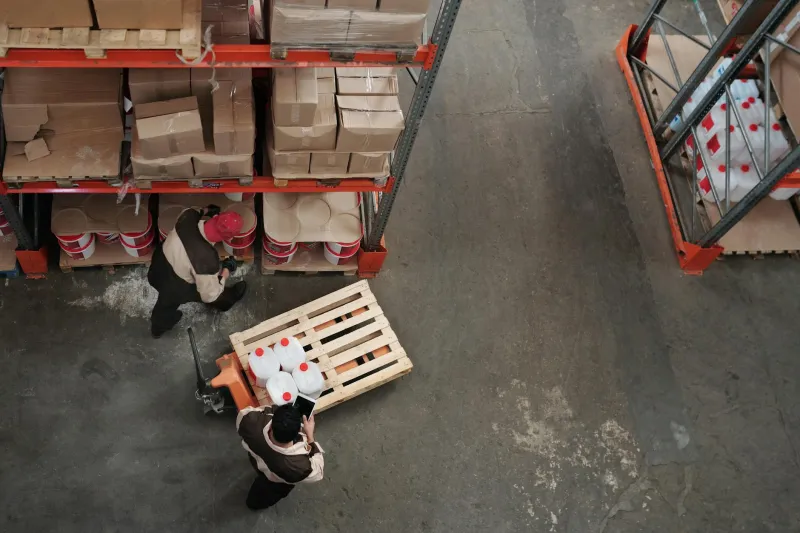
The basement of Filene's department store in 1960s Boston wasn't where fashion dreams were supposed to begin. Steam rose from industrial dishwashers, fluorescent lights buzzed overhead, and the closest thing to haute couture was the occasional designer dress that ended up in the discount bins upstairs. Yet for a young Syrian immigrant named Joseph Abboud, those grimy stockrooms became the most valuable classroom he'd ever enter.
While his peers at Boston University studied fashion theory from textbooks, Abboud learned by touch. He felt the weight of quality wool against cheap polyester. He watched customers' faces light up when they found the perfect fit. He saw which colors moved off the racks and which gathered dust. Most importantly, he discovered that American style wasn't about following European rules—it was about understanding what real people wanted to wear to real jobs.
The Education of Dirty Hands
Abboud's path to fashion royalty began with his father's stubborn optimism. The elder Abboud had arrived in America with little more than determination and a willingness to work any job that paid. When Joseph showed interest in clothing, his father didn't send him to design school. Instead, he got him a job washing dishes at Filene's, reasoning that you couldn't understand retail without starting at the bottom.
The strategy proved brilliant. While fashion students sketched abstract designs, Abboud learned the business from the ground up. He sorted inventory, watched seasonal buying patterns, and absorbed the subtle psychology of American consumers. He noticed that Boston businessmen wanted jackets that looked expensive but felt comfortable. He saw how women gravitated toward pieces that suggested sophistication without screaming wealth.
These weren't lessons you could learn in a lecture hall. They required the kind of patient observation that only comes from spending years in the trenches, watching real people make real purchasing decisions with their own money.
The Stockroom Strategist
By the time Abboud worked his way up to the sales floor, he understood something that many designers never grasp: American fashion isn't about impressing other designers. It's about helping ordinary people feel extraordinary in their own skin.
His breakthrough came when he realized that American men wanted clothes that bridged the gap between European formality and American casualness. They needed suits that worked in boardrooms but didn't look out of place at their kids' soccer games. They wanted quality that lasted but prices that made sense.
This insight, born from years of watching Filene's customers, would eventually make Abboud one of the most successful menswear designers in American history. But first, he had to convince the fashion world that a dishwasher from Boston had something valuable to say about style.
Building an Empire, One Thread at a Time
Abboud's rise through the fashion ranks reads like a masterclass in patient ambition. After Filene's, he moved to better positions at other retailers, always learning, always watching. He studied how different fabrics behaved in different climates. He learned which cuts flattered American body types. He developed an almost supernatural ability to predict which trends would stick and which would fade.
When he finally launched his own label, Abboud didn't try to revolutionize fashion overnight. Instead, he applied everything he'd learned in those Boston stockrooms. He created clothes that looked sophisticated but felt approachable. He used quality materials but kept prices reasonable. He understood that most American men didn't want to look like European aristocrats—they wanted to look like successful Americans.
The strategy worked spectacularly. Abboud's designs captured something essential about American masculinity: confident without being flashy, successful without being pretentious, stylish without being fussy.
The Wisdom of Working Up
Today, when fashion influencers can become millionaires overnight and design schools promise instant expertise, Abboud's story feels almost quaint. But his journey reveals something profound about the nature of authentic success.
The years he spent washing dishes and sorting inventory weren't obstacles to overcome—they were the foundation of everything that followed. Those grimy stockrooms taught him empathy for working people, respect for quality craftsmanship, and an understanding of American style that no amount of theoretical training could provide.
Abboud's success wasn't built on natural talent or lucky breaks. It was constructed thread by thread, season by season, through the kind of patient observation that only comes from starting at the bottom and working your way up.
The Lasting Legacy
Joseph Abboud's story reminds us that the most enduring achievements often come from the most unexpected places. While others studied fashion from afar, he learned it from within. While others theorized about American style, he lived alongside the people who would ultimately wear his clothes.
In a world obsessed with shortcuts and instant expertise, Abboud proved that sometimes the longest path leads to the most authentic destination. His Syrian immigrant father was right: you can't truly understand something until you've seen it from every angle, including the bottom.
The next time you see someone washing dishes or sorting inventory, remember Joseph Abboud. They might just be getting the education that no classroom could provide—the kind that comes from understanding what real people really want, one honest day's work at a time.